Two talks and a poster kept Kingston Lab busy in Fort Collins, Colorado!

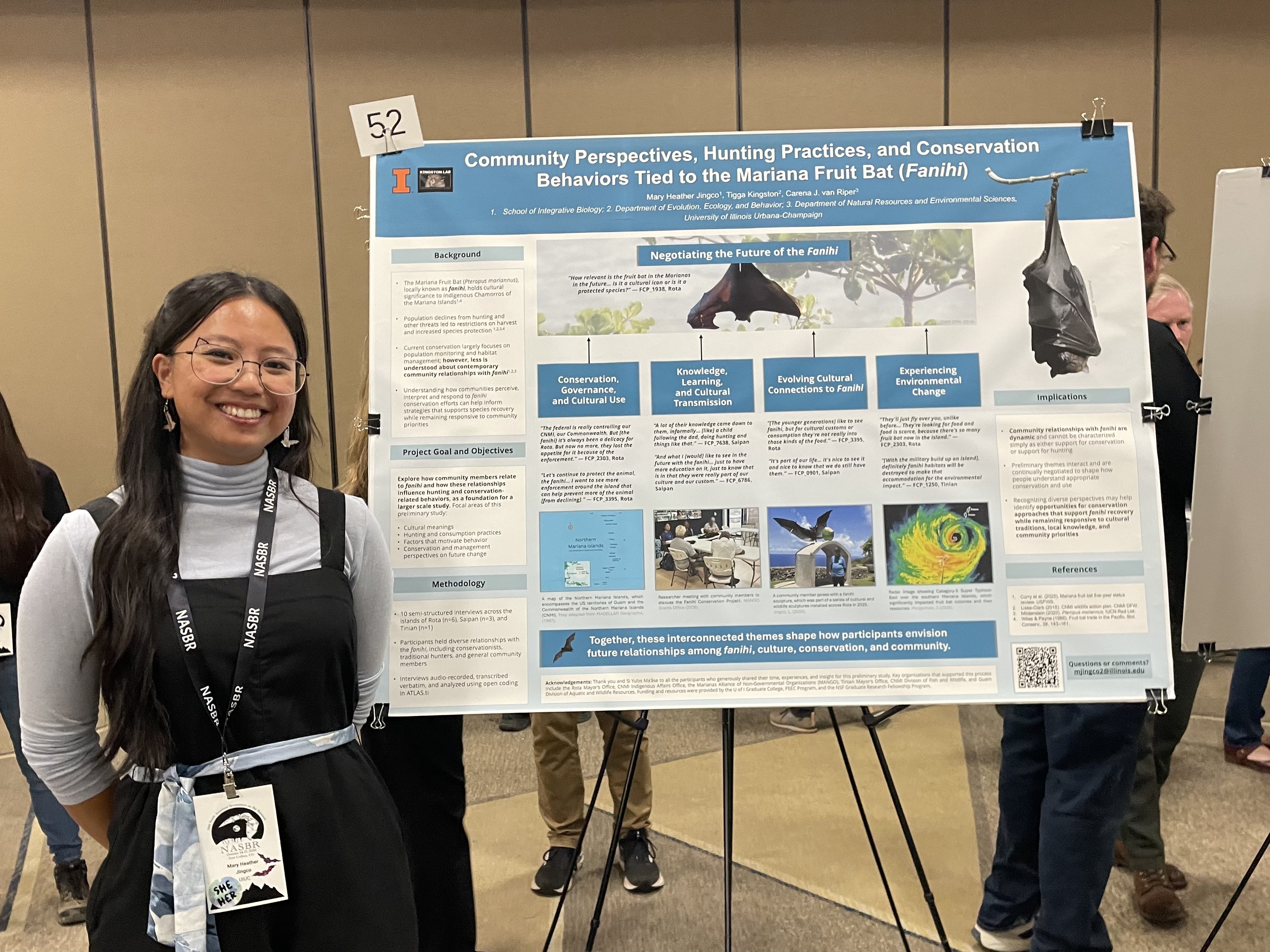
At the North American Society for Bat Research (NASBR) 2026, Heather presented her poster, “Community Perspectives, Hunting Practices, and Conservation Behaviors Tied to the Mariana Fruit Bat (Fanihi),” while Tigga spoke at the One Health symposium.

Heather spent this past summer interviewing local community members as part of a preliminary study on human-bat relationships in the Marianas. At the conference, she shared emerging themes that highlighted evolving cultural connections to the Mariana Fruit Bat, intergenerational knowledge transmission, conservation participation, and the perceived impacts of environmental change on the species!
Tigga’s talk focused on developing frameworks for a One Health Action Plan for species at the human–bat interface, highlighting the human activities that drive spillover risk.
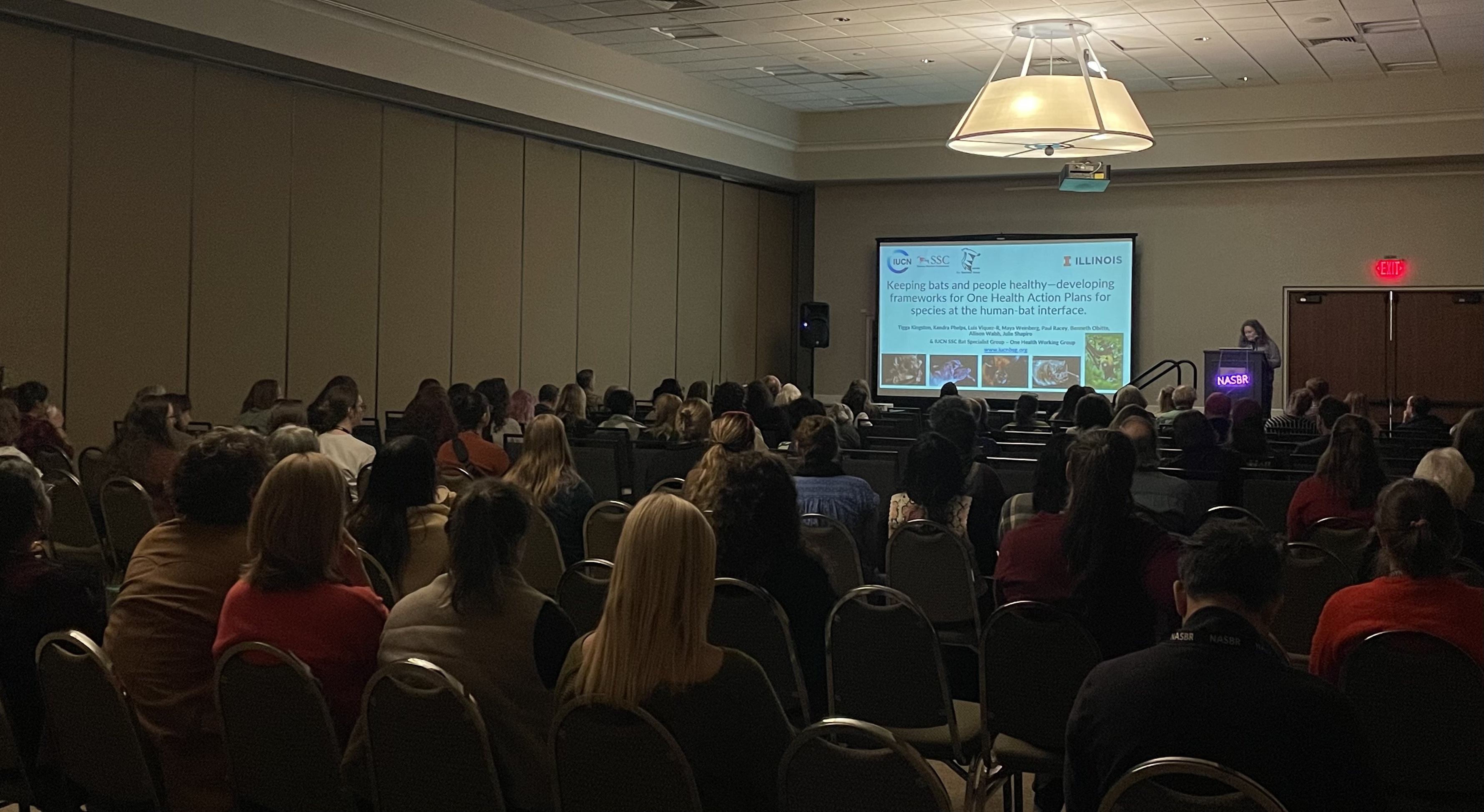
Tigga takes the stage at NASBR to discuss One Health Action Plans at the human–bat interface.

That wasn’t the end of the fun! Colorado State University also invited Tigga to give a colloquium talk on bat diversity and anthropogenic loss in the species-rich Paleotropics. Her talk brought the ecological and evolutionary dimensions of bat diversity of that region into focus, exploring how human disturbances affect it.
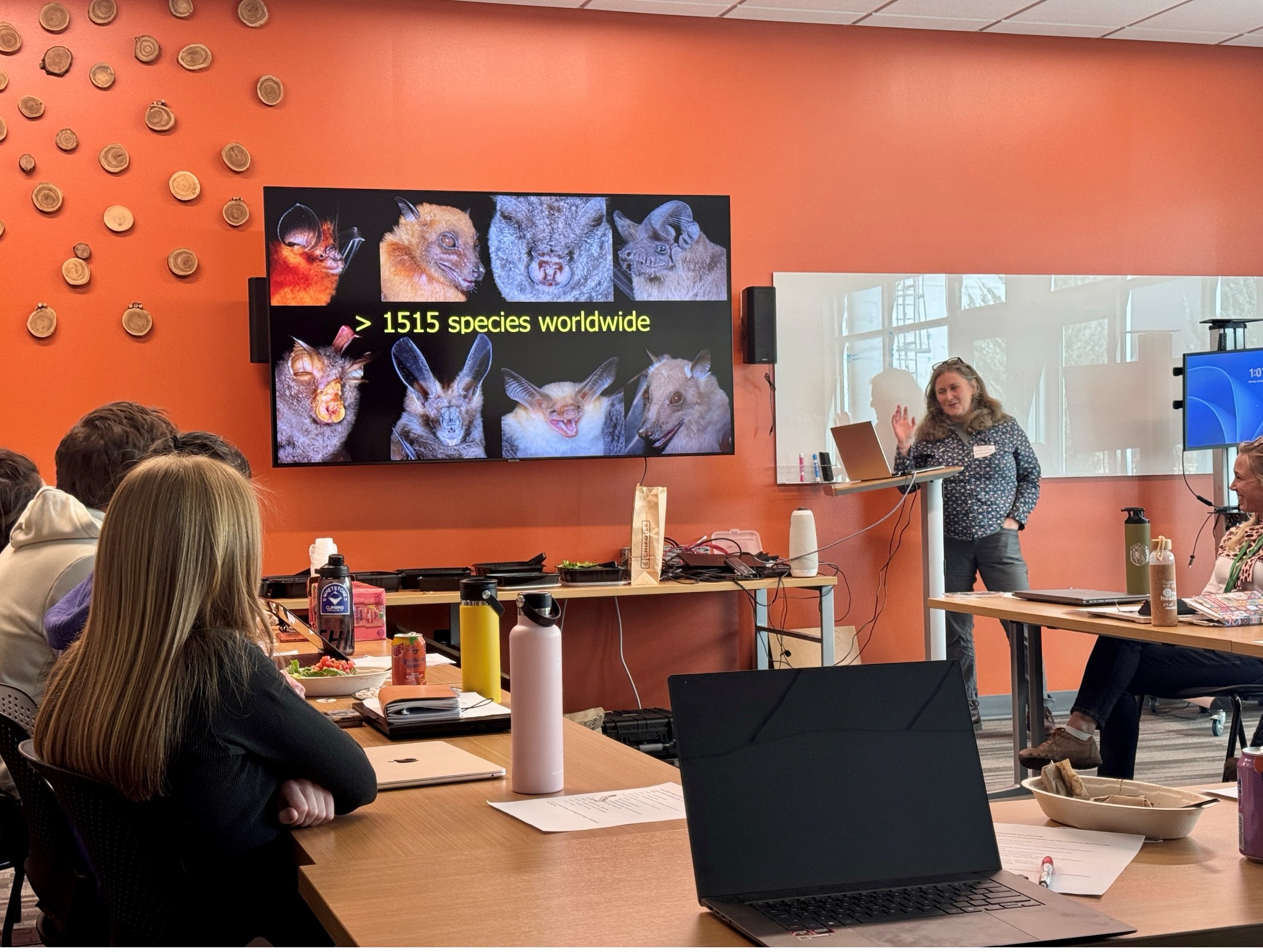
Tigga’s introductory slide highlighted 1,515 species worldwide.

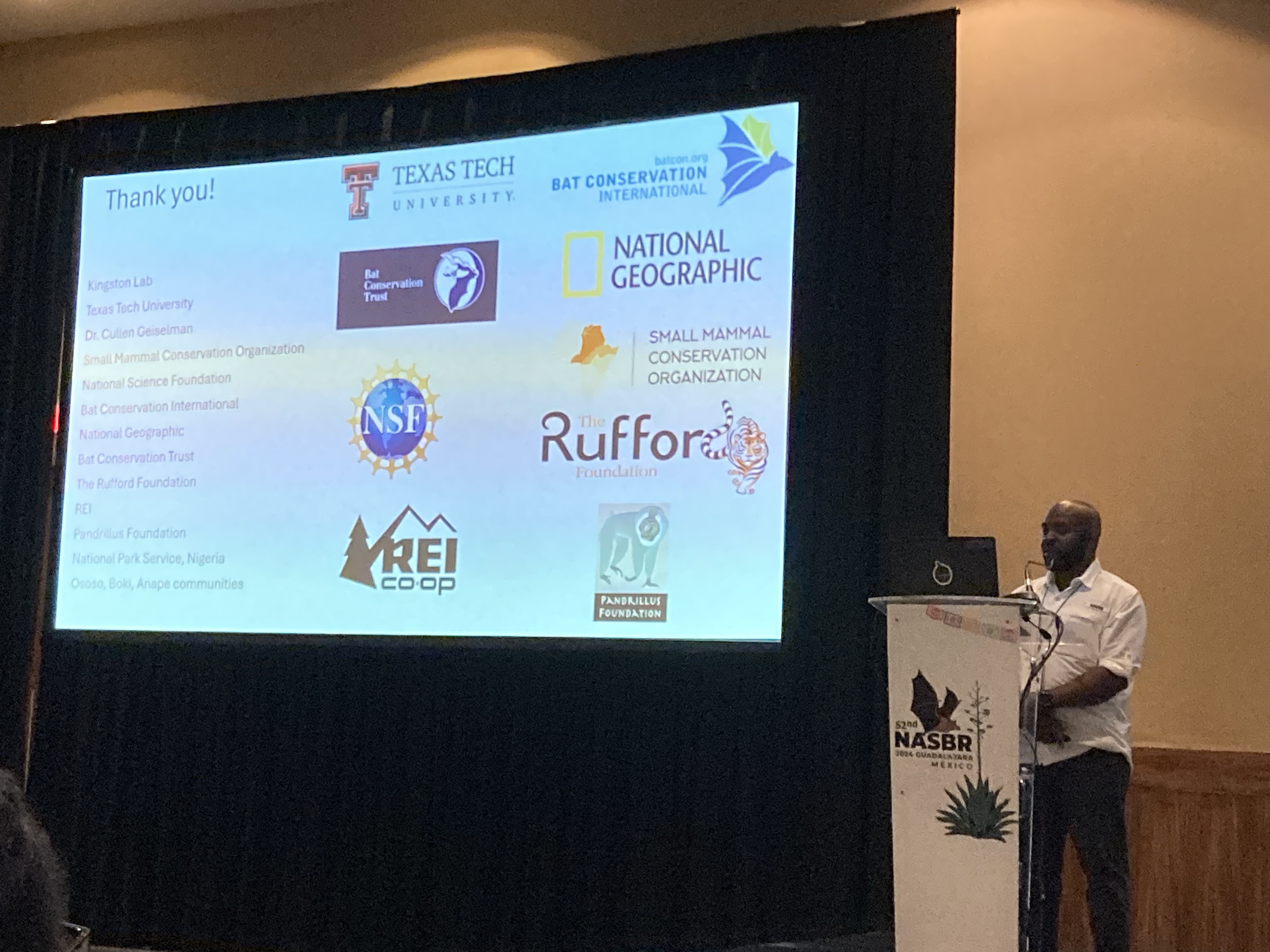
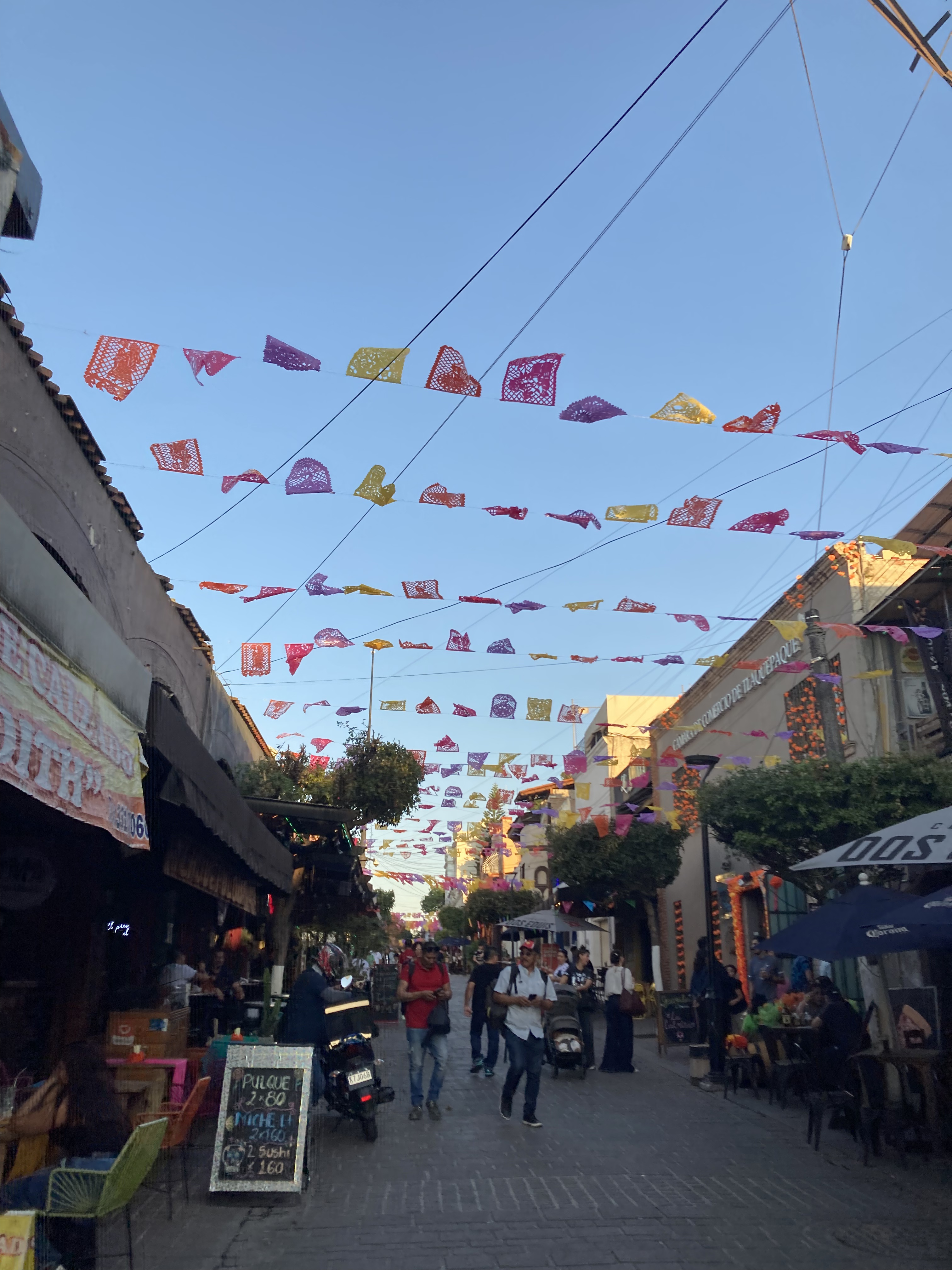
Bats and Taquilla in Guadalajara, NASBR 2024 was a blast!

Lots of familiar faces of past and present lab members at NASBR 2024! Despite some technical difficulties, Ben presented his talk “Taste, Influence, and Availability: the Key Factors driving Bat Meat Consumption”. Ben’s talk showed that bat meat consumption is driven by an interplay of multiple socio-cultural factors rather than just economics.  These findings underscore the importance of structuring conservation and public health interventions to more integratively target all drivers of behavior concern. Abby won the Luis F. Bacardi Bat Conservation Award for her talk “Bat Hunting in Sub-Saharan Africa: Mapping the Distribution of a Conservation-Relevant Human Behavior Using Hypothesis-Driven Models”, which was full of stats, bats, and maps (three of her favorite things!). Former lab post doc Maria Sagot encouraged her fellow bat scientists to join EchoMap, a collaborative global effort to increase capacity-building for bat acoustic monitoring resources. Learn more about EchoMap here. And of course, everyone had a great time at the banquet!