Two talks and a poster kept Kingston Lab busy in Fort Collins, Colorado!

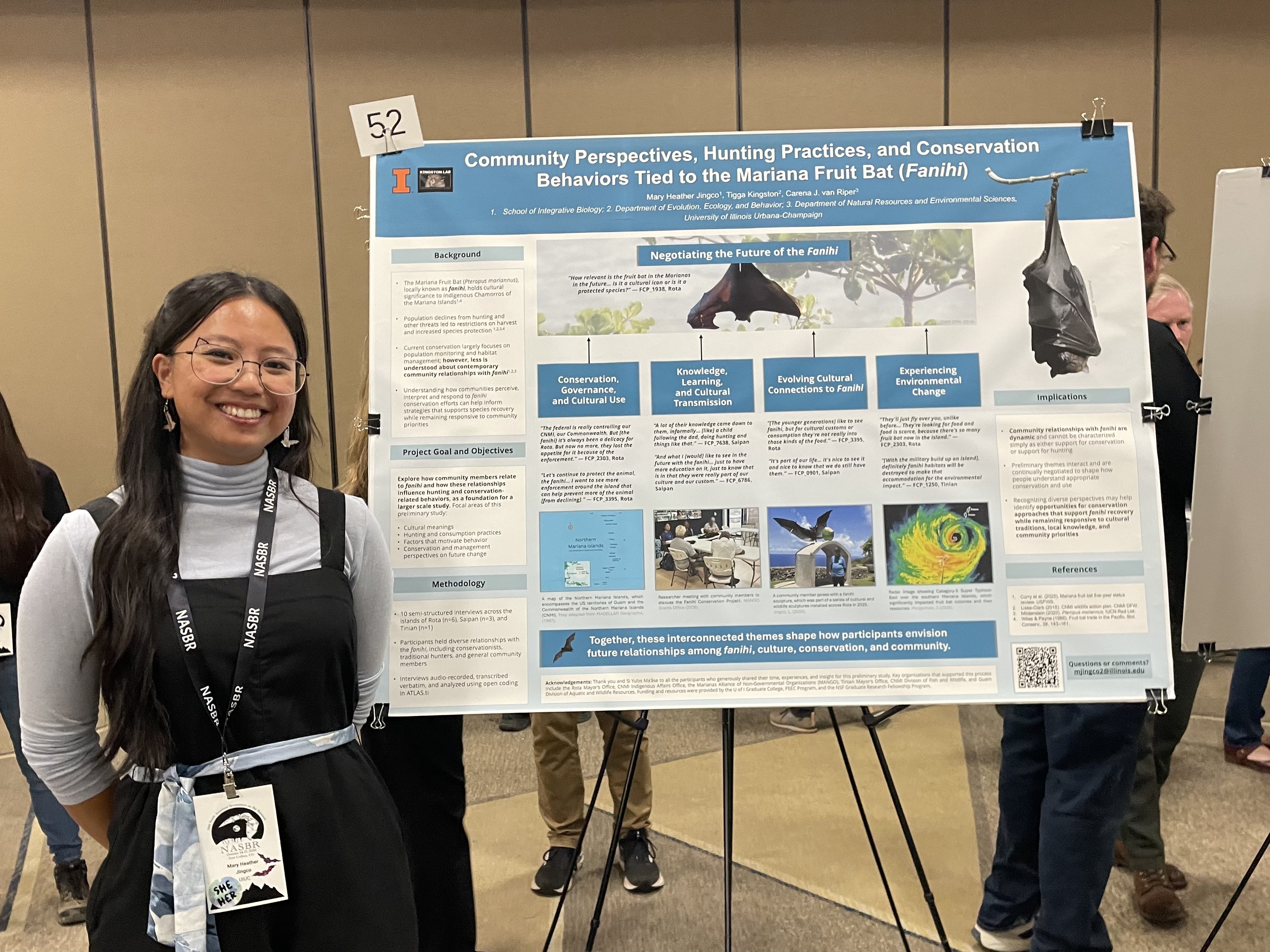
At the North American Society for Bat Research (NASBR) 2026, Heather presented her poster, “Community Perspectives, Hunting Practices, and Conservation Behaviors Tied to the Mariana Fruit Bat (Fanihi),” while Tigga spoke at the One Health symposium.

Heather spent this past summer interviewing local community members as part of a preliminary study on human-bat relationships in the Marianas. At the conference, she shared emerging themes that highlighted evolving cultural connections to the Mariana Fruit Bat, intergenerational knowledge transmission, conservation participation, and the perceived impacts of environmental change on the species!
Tigga’s talk focused on developing frameworks for a One Health Action Plan for species at the human–bat interface, highlighting the human activities that drive spillover risk.
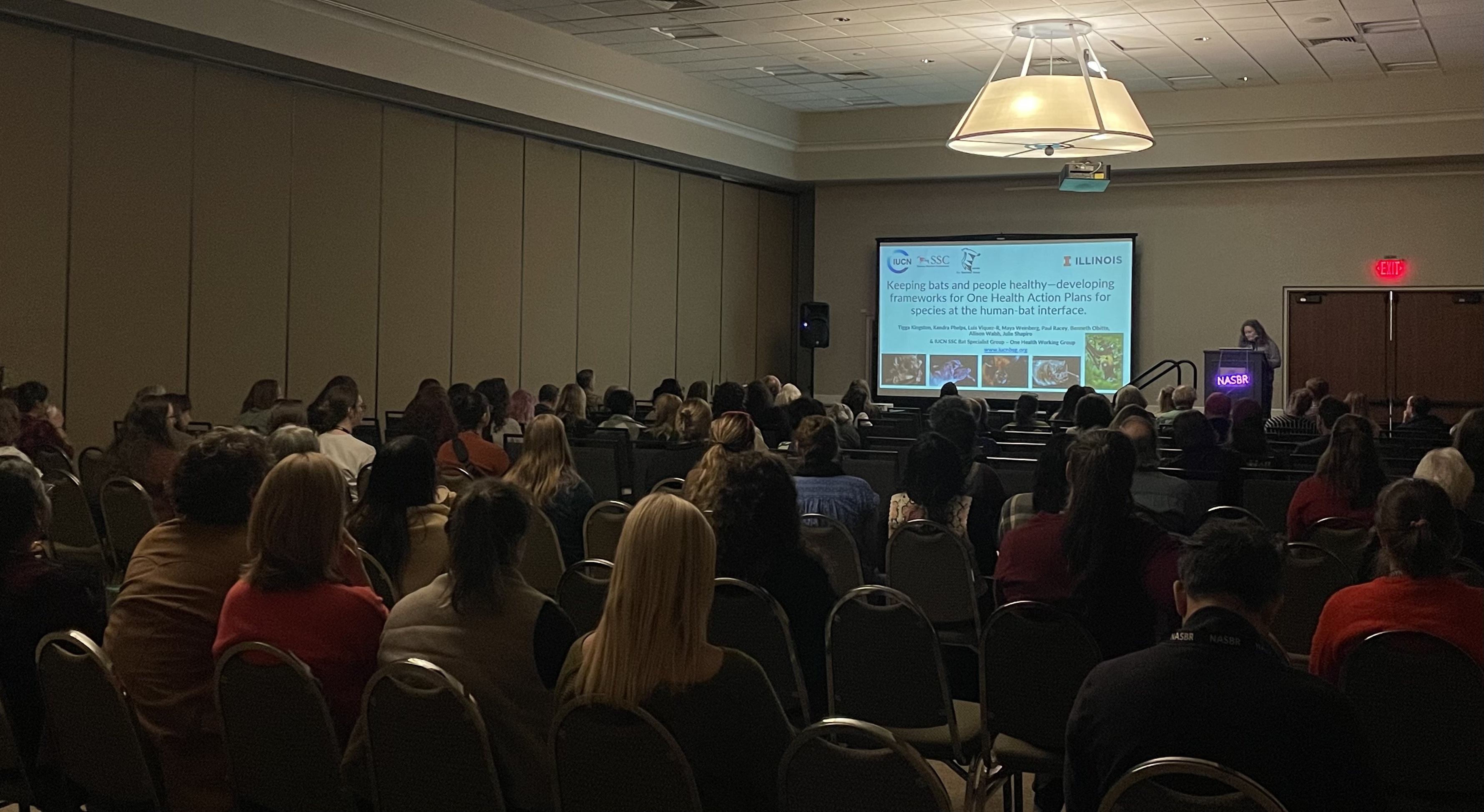
Tigga takes the stage at NASBR to discuss One Health Action Plans at the human–bat interface.

That wasn’t the end of the fun! Colorado State University also invited Tigga to give a colloquium talk on bat diversity and anthropogenic loss in the species-rich Paleotropics. Her talk brought the ecological and evolutionary dimensions of bat diversity of that region into focus, exploring how human disturbances affect it.
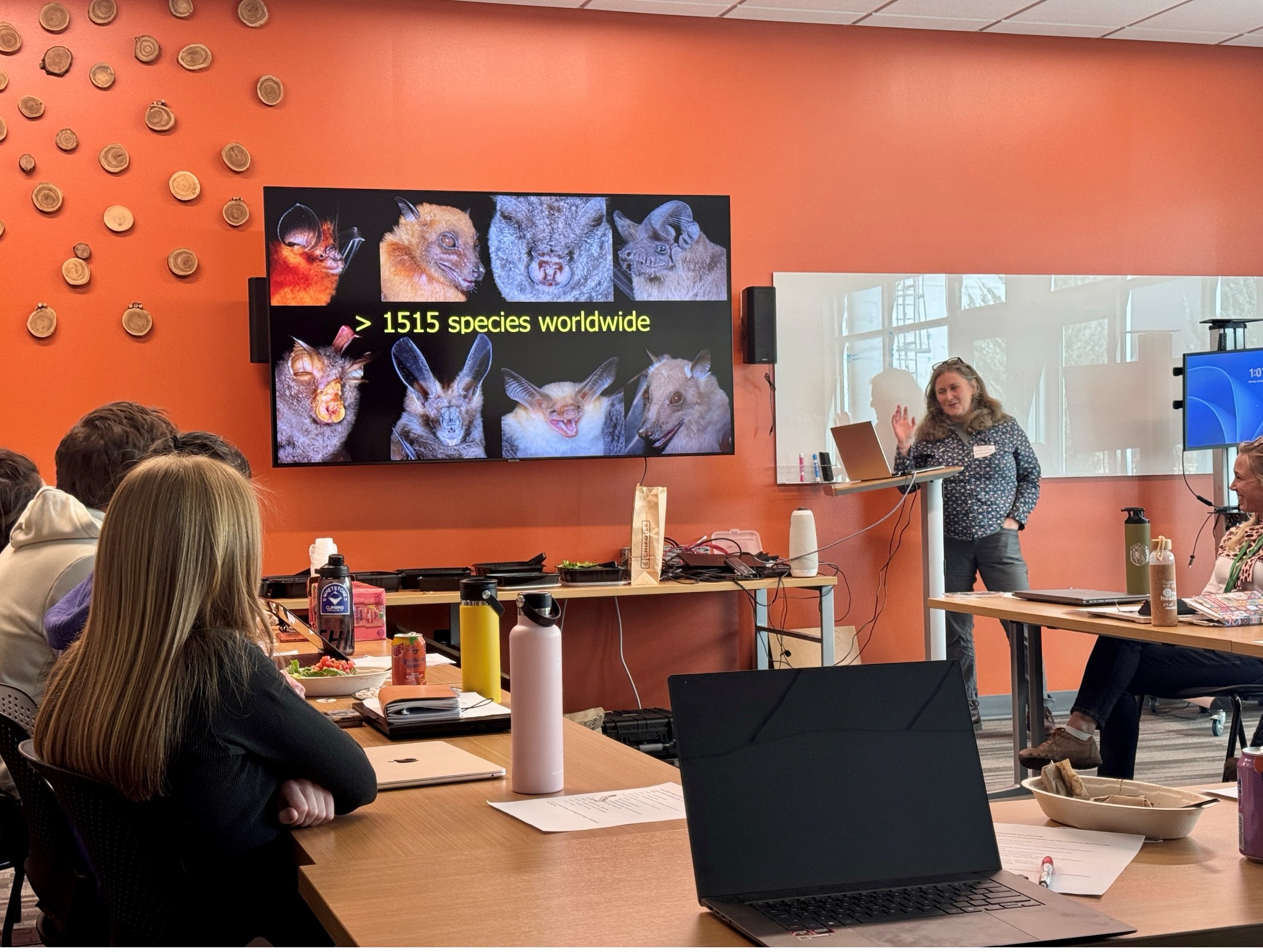
Tigga’s introductory slide highlighted 1,515 species worldwide.

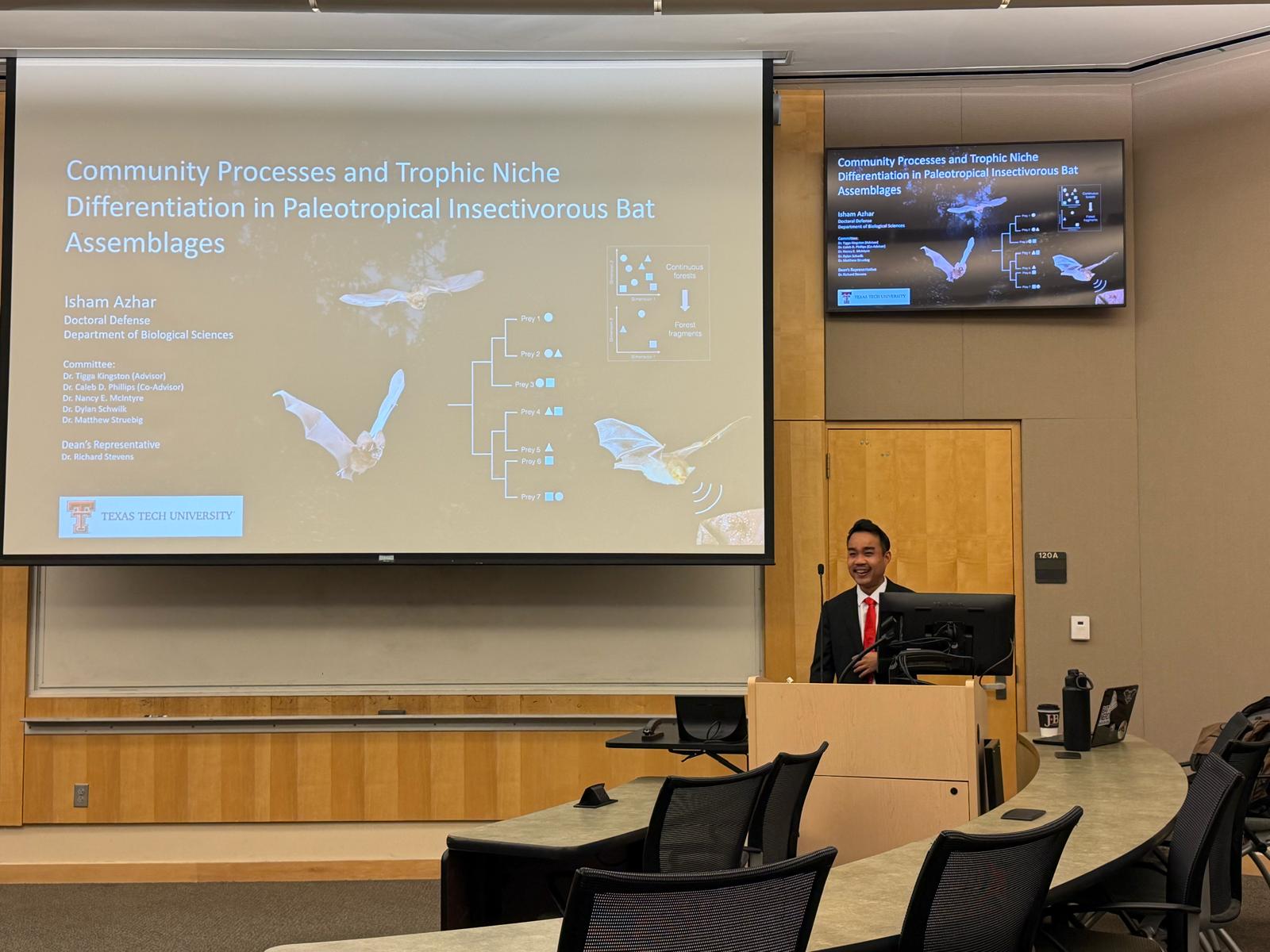
Congratulations, Dr. Isham Azhar!

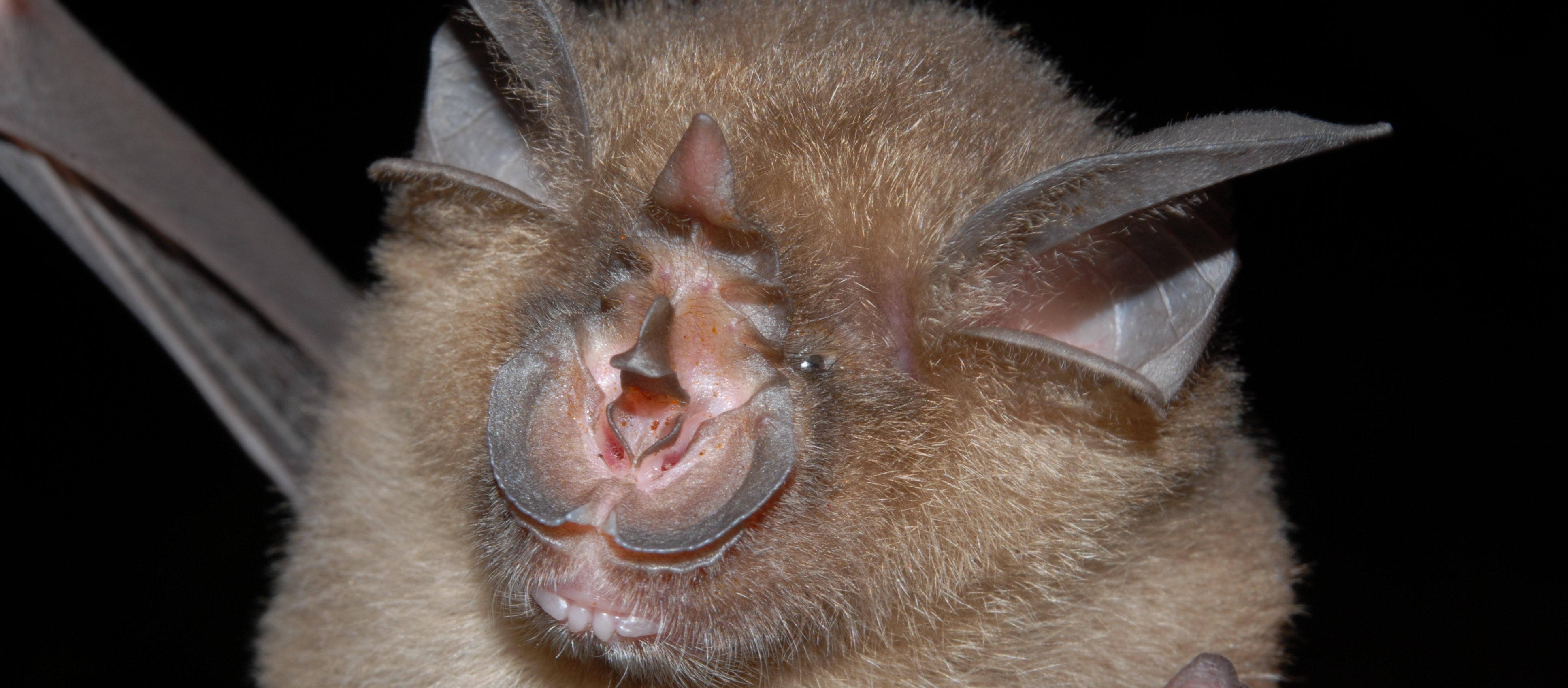
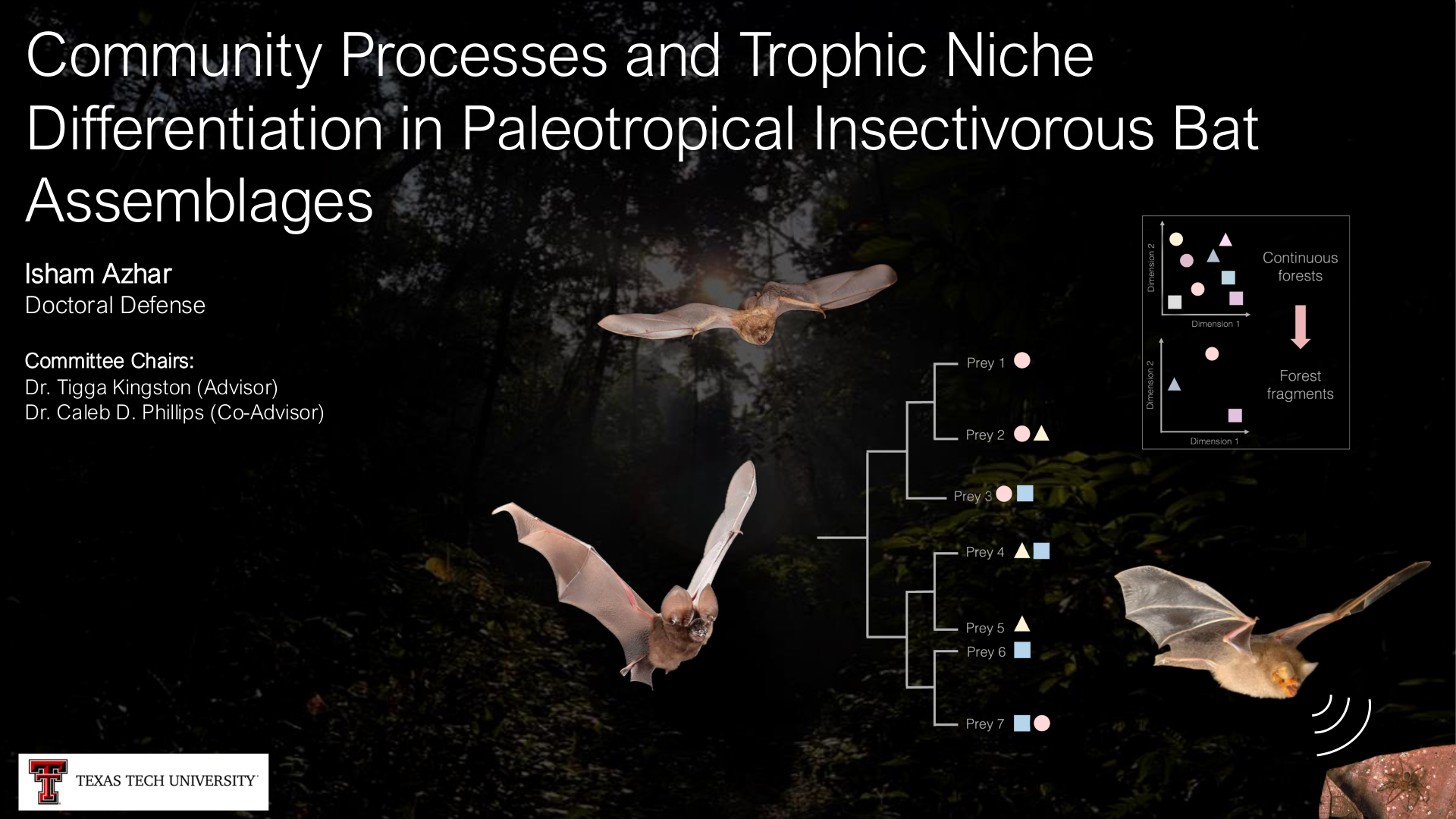
Isham has a new title, and the Kingston Lab is going to celebrate it. On October 12, 2026, Isham successfully defended his dissertation, Community Processes and Trophic Niche Differentiation in Paleotropical Insectivorous Bat Assemblages. Behind that title are questions about how tropical insect-eating bat communities are structured and how species differ in their feeding niches.

Isham’s dissertation talk was about why different insect-eating bat species live together in tropical forests and how their diets differ

And there’s already something to read while we celebrate. His recent paper in Ecology and Evolution examines the processes behind changes in bat communities following forest fragmentation in Malaysia. Go give it a look!

Years of fieldwork, data analysis, and advancing our understanding of the role bats play in ecosystem functioning led to this moment. Isham nailed the defense with outstanding science and a sharp look to match.

Congratulations, Isham, on this well-earned achievement. Kingston Lab is proud of your hard work, thankful for your contributions to the lab, and excited to see where your research takes you next!