Two talks and a poster kept Kingston Lab busy in Fort Collins, Colorado!

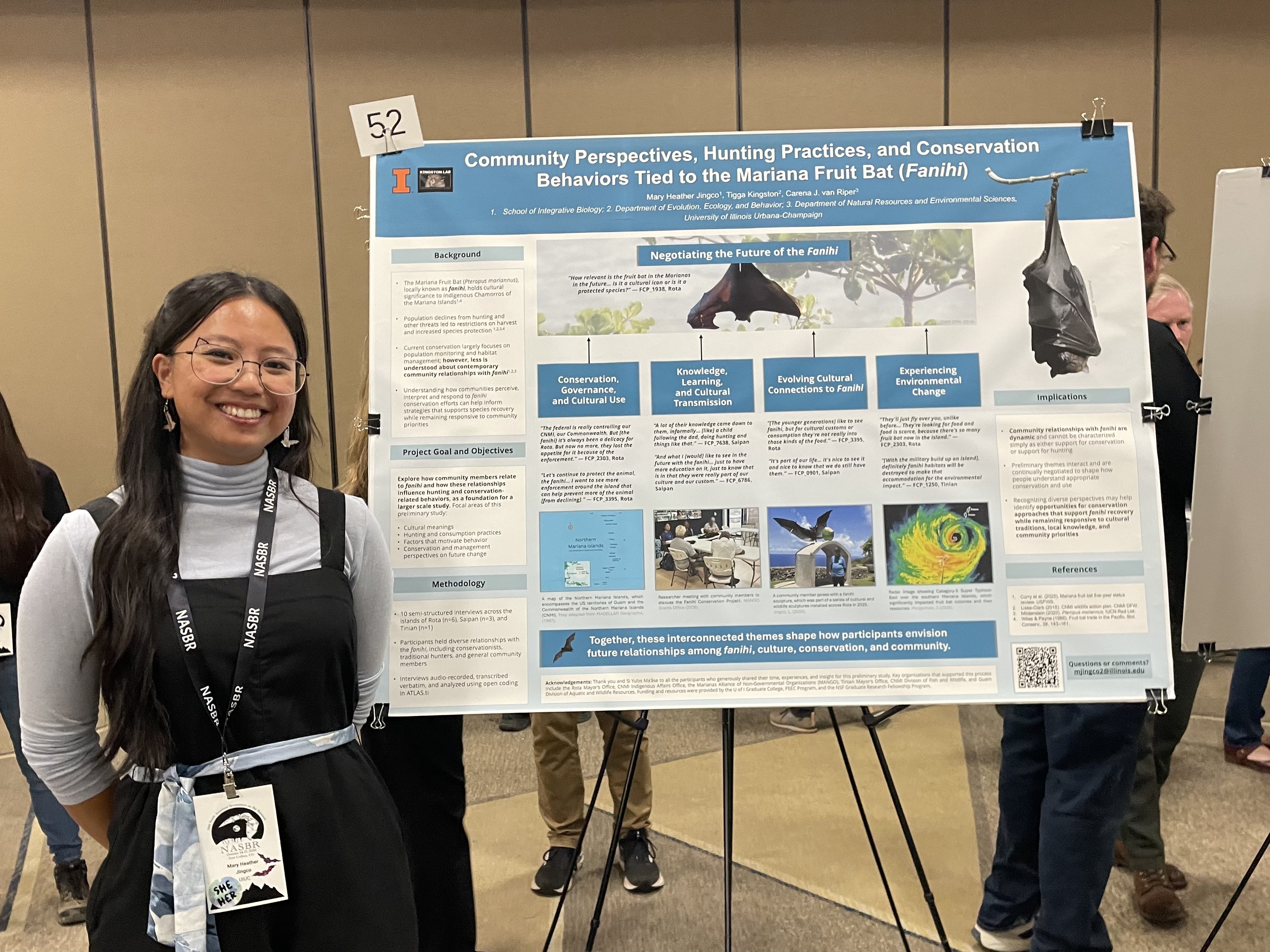
At the North American Society for Bat Research (NASBR) 2026, Heather presented her poster, “Community Perspectives, Hunting Practices, and Conservation Behaviors Tied to the Mariana Fruit Bat (Fanihi),” while Tigga spoke at the One Health symposium.

Heather spent this past summer interviewing local community members as part of a preliminary study on human-bat relationships in the Marianas. At the conference, she shared emerging themes that highlighted evolving cultural connections to the Mariana Fruit Bat, intergenerational knowledge transmission, conservation participation, and the perceived impacts of environmental change on the species!
Tigga’s talk focused on developing frameworks for a One Health Action Plan for species at the human–bat interface, highlighting the human activities that drive spillover risk.
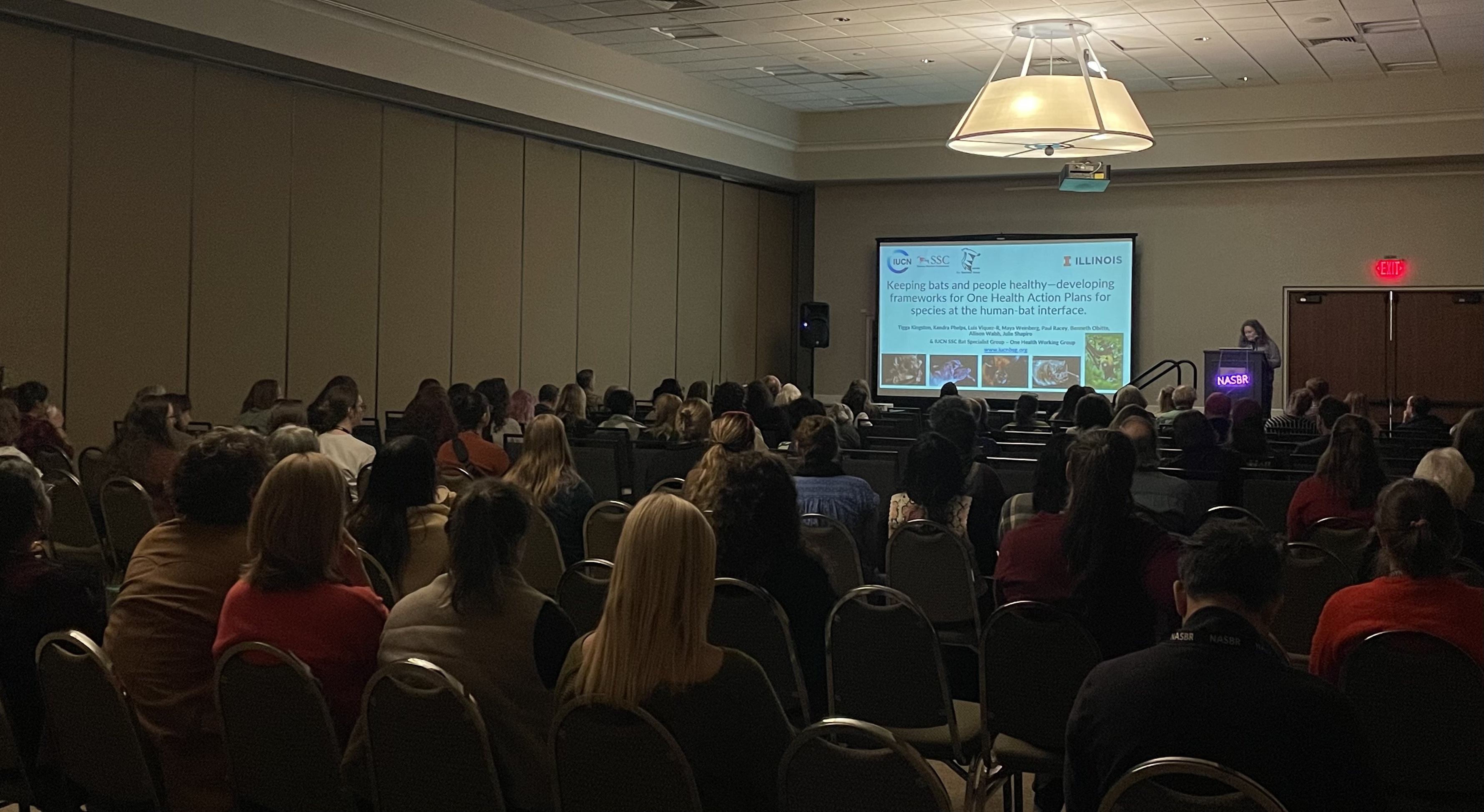
Tigga takes the stage at NASBR to discuss One Health Action Plans at the human–bat interface.

That wasn’t the end of the fun! Colorado State University also invited Tigga to give a colloquium talk on bat diversity and anthropogenic loss in the species-rich Paleotropics. Her talk brought the ecological and evolutionary dimensions of bat diversity of that region into focus, exploring how human disturbances affect it.
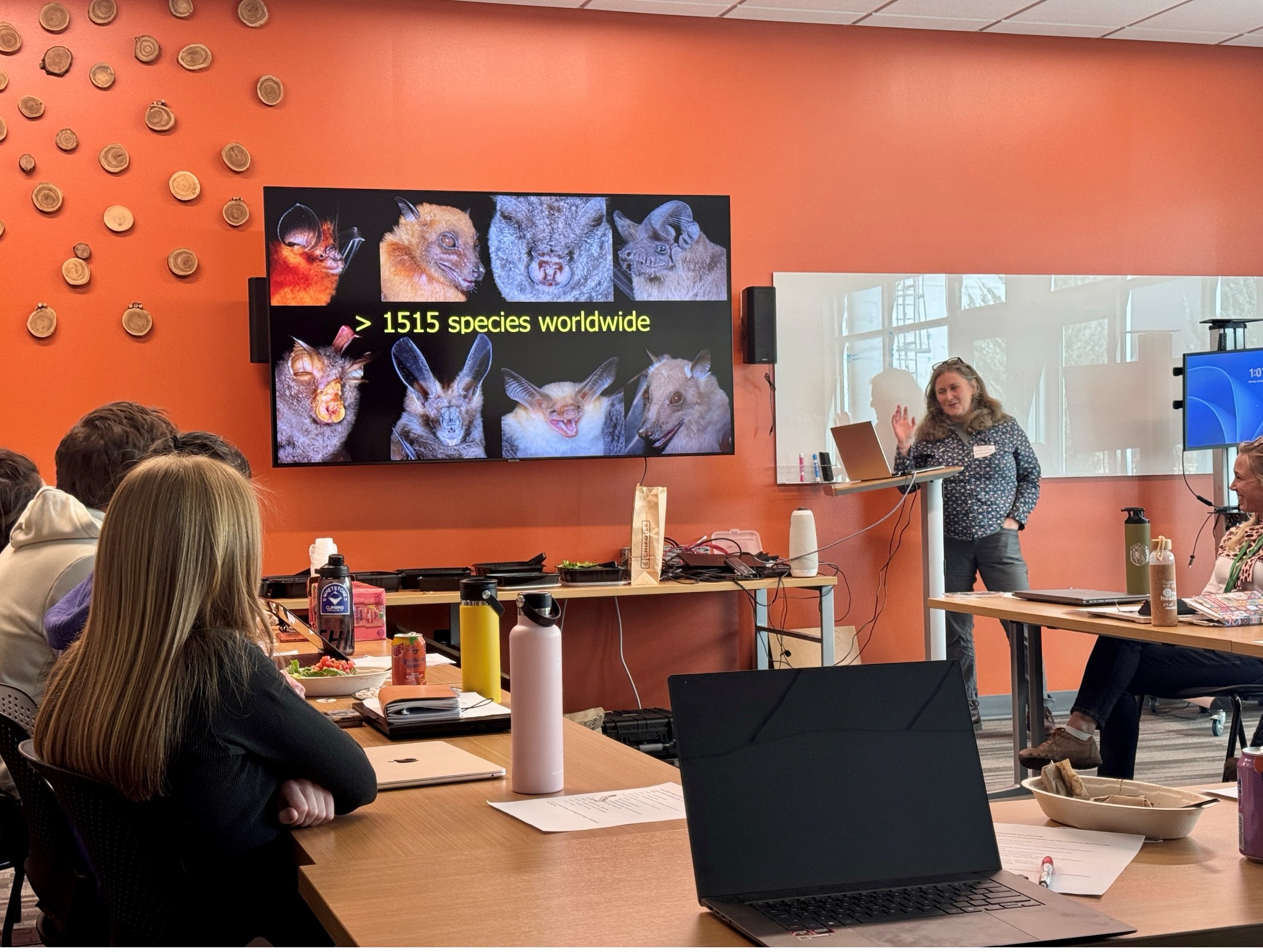
Tigga’s introductory slide highlighted 1,515 species worldwide.

New publication: Limestone Karst Ecology and Human Impacts on Cave Bats in Myanmar

The Kingston lab is excited to share a new publication from Moe Moe! Her research highlights the ecological importance of limestone karst caves in Southern Shan State, Myanmar, as key habitats for diverse and understudied bat species. These bats play crucial roles in maintaining ecosystem balance through insect control, pollination, and nutrient cycling.

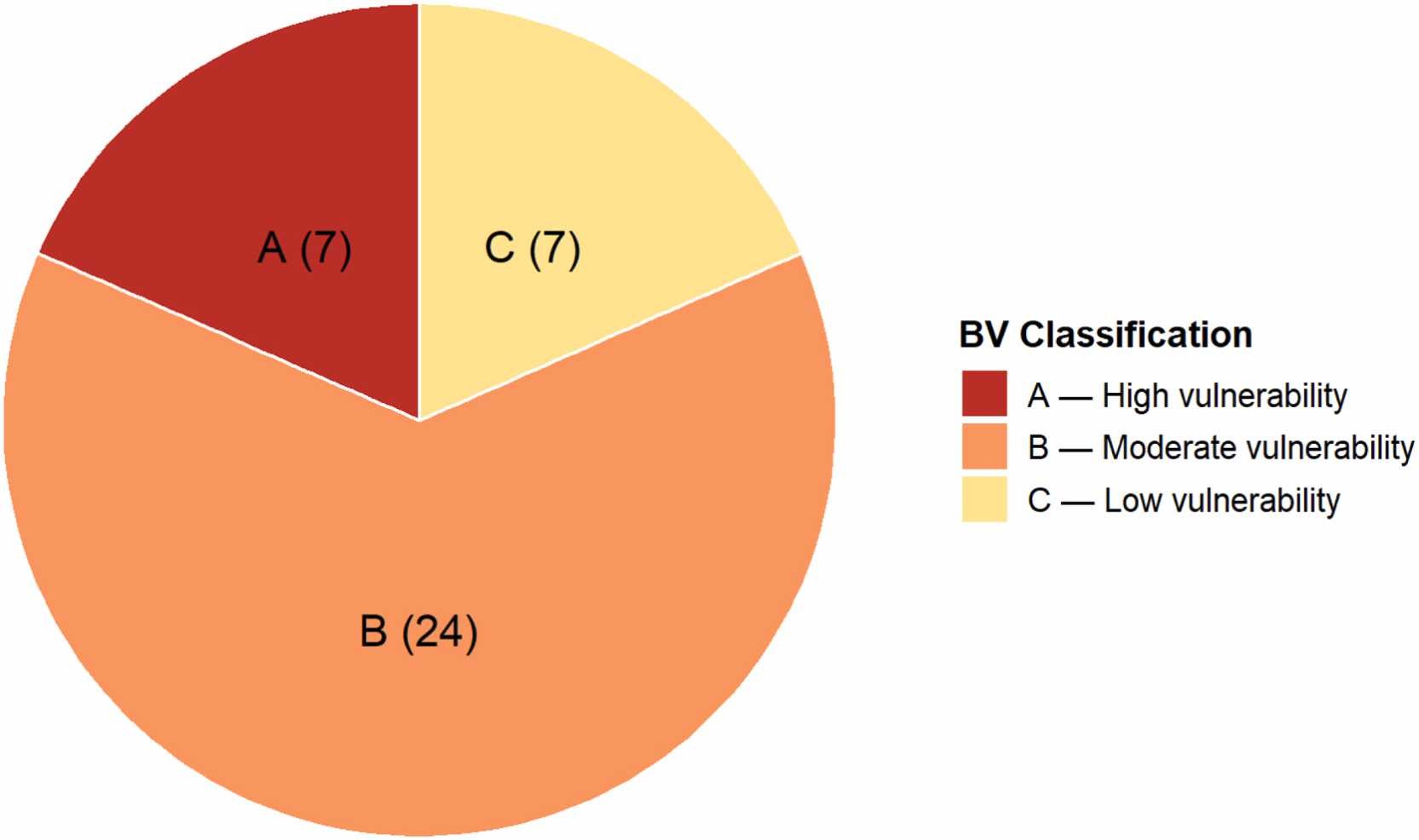
The study found that cave characteristics such as size and temperature strongly influence bat populations, while human disturbances—such as guano harvesting, hunting, and cave development—negatively impact their abundance.

Fig. 2. Distribution of Bat Cave Vulnerability (BV) classes across 38 surveyed caves. BV classes were derived following the Bat Cave Vulnerability Index (BCVI) framework and categorized as A – High vulnerability, B – Moderate vulnerability, and C – Low vulnerability. Numbers in parentheses indicate the number of caves assigned to each class.

With many caves identified as vulnerable, this research emphasizes the urgent need for conservation efforts to protect biodiversity and reduce potential public health risks associated with human–bat interactions. Find the full paper is here: https://doi.org/10.1016/j.gecco.2026.e04071

Inside GBatNet: Tigga’s PEEC Affiliation Seminar

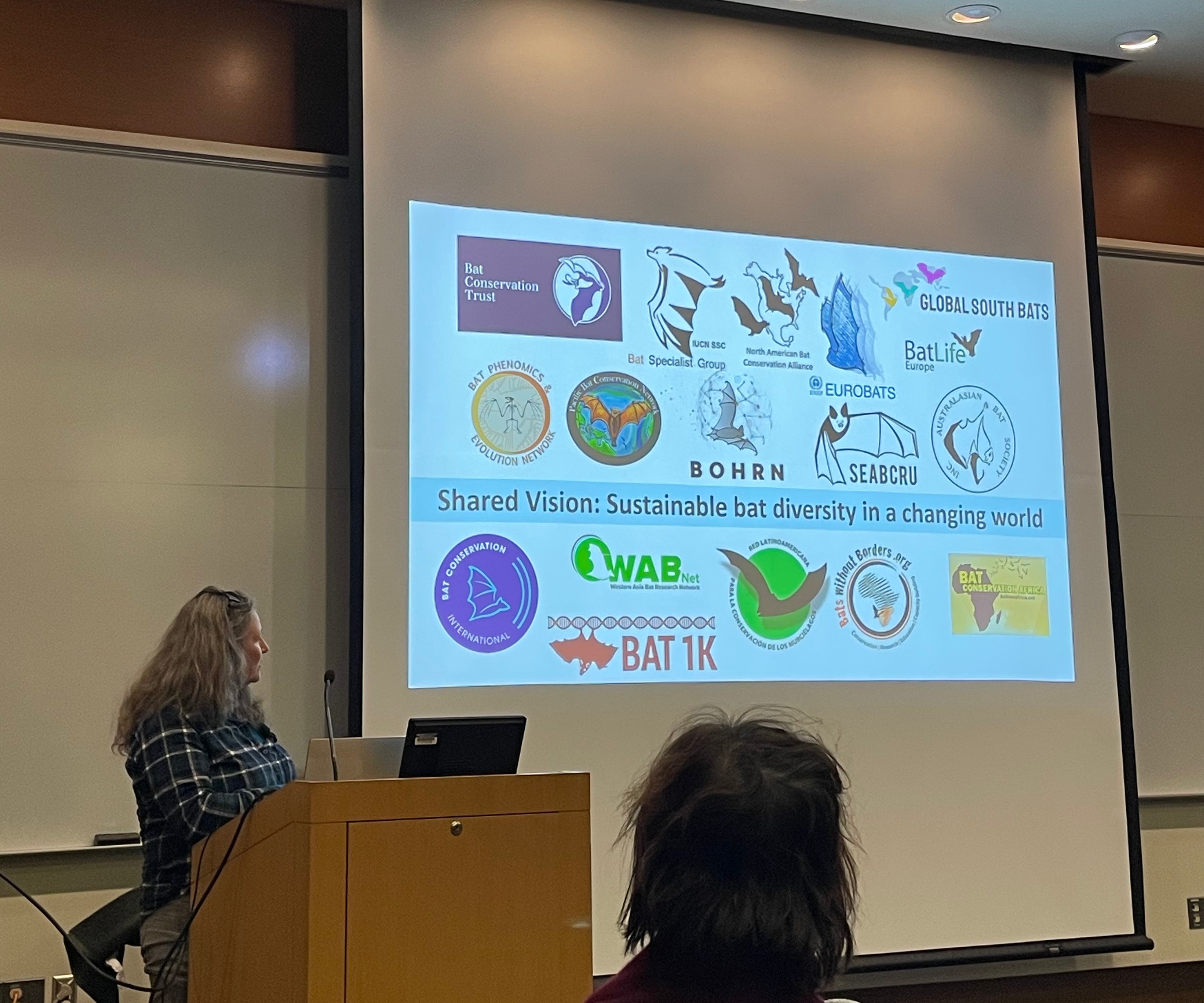
Tigga recently presented at the weekly PEEC seminar, where she gave a deep dive into the Global Union of Bat Diversity Networks (GBatNet). Her talk, “Working Together for Sustainable Bat Diversity in a Changing World,” explored how the network got started, what it’s working toward, and how it continues to grow.

She walked through the development of GBatNet’s working groups and highlighted its focus on supporting the next generation of interdisciplinary researchers. More broadly, her talk emphasized why strong, collaborative research networks are so important for conserving bat diversity in the face of global change!

Dungeons, dragons… and ecology?

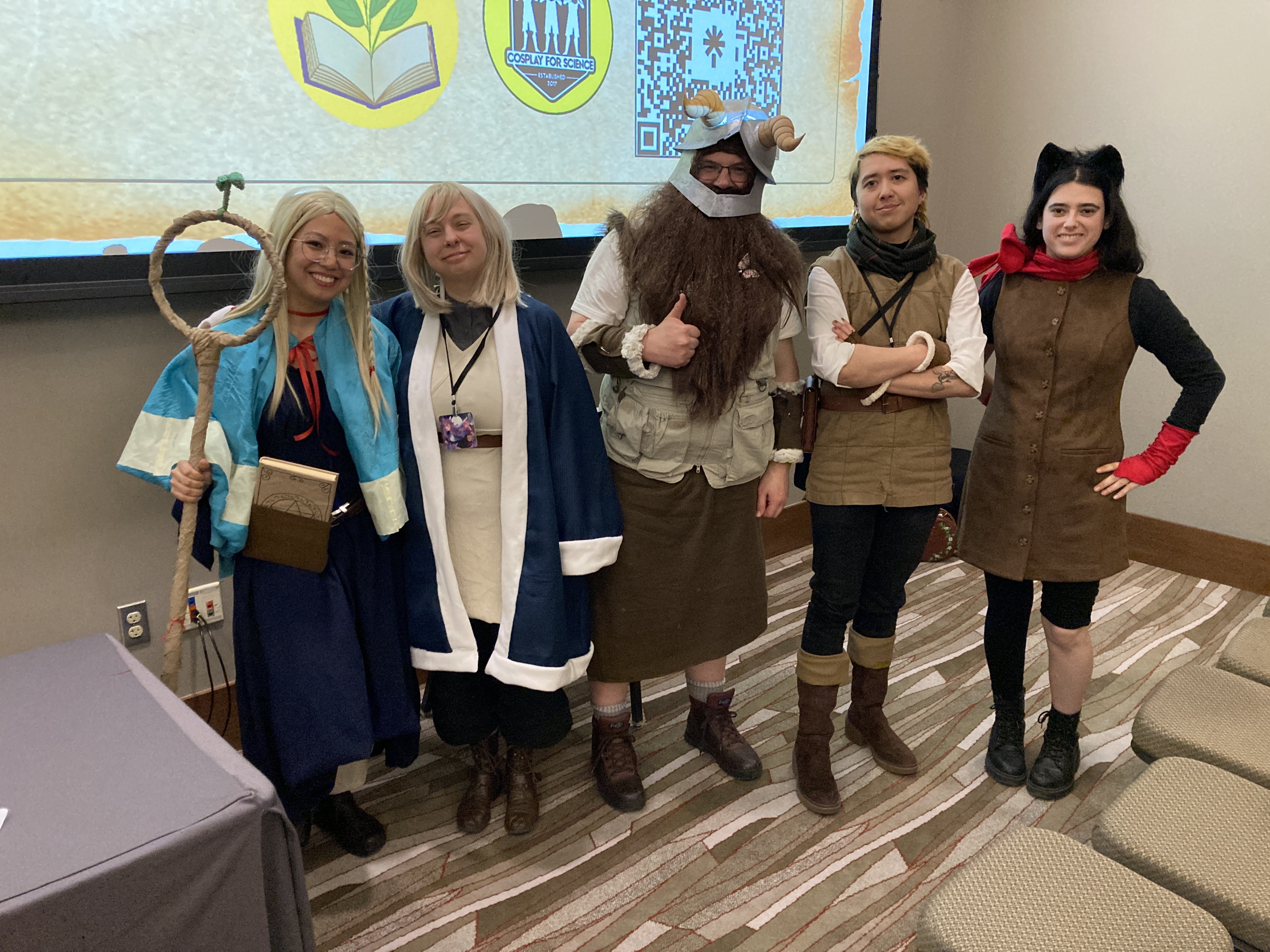
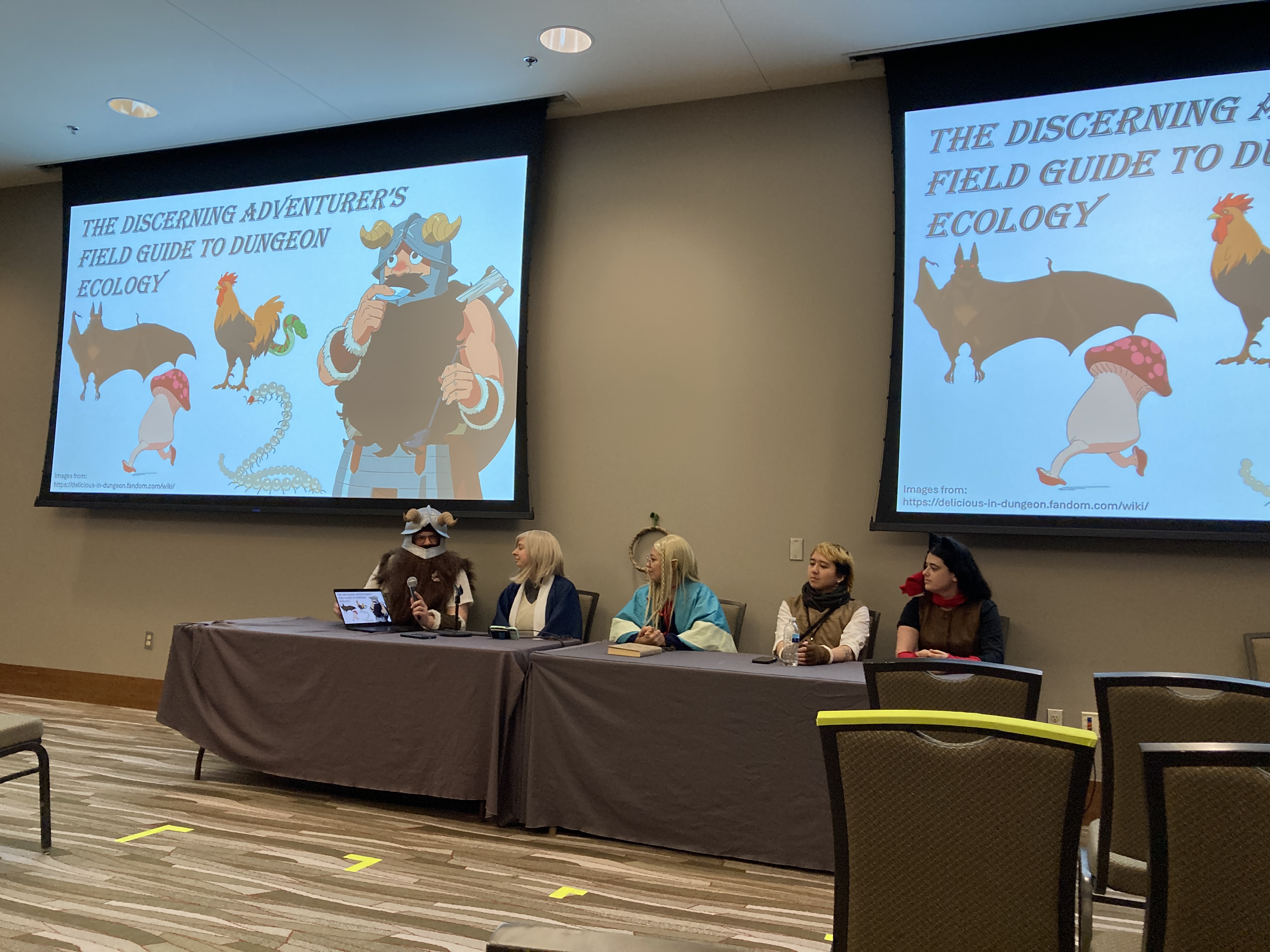
Heather brought science to UI-Con 2026 as part of UIUC’s Cosplay for Science outreach group. Alongside other SIB panelists, she cosplayed as an adventurer to explore the science behind dungeon ecosystems. Within the Delicious in Dungeon universe, Heather connected anime-inspired storytelling to real concepts like One Health and the ecosystem services provided by bats. The panel was a fun and creative way to engage new audiences in STEM, while also talking about how great bats are!