Double the Doctors, Double the Celebration!

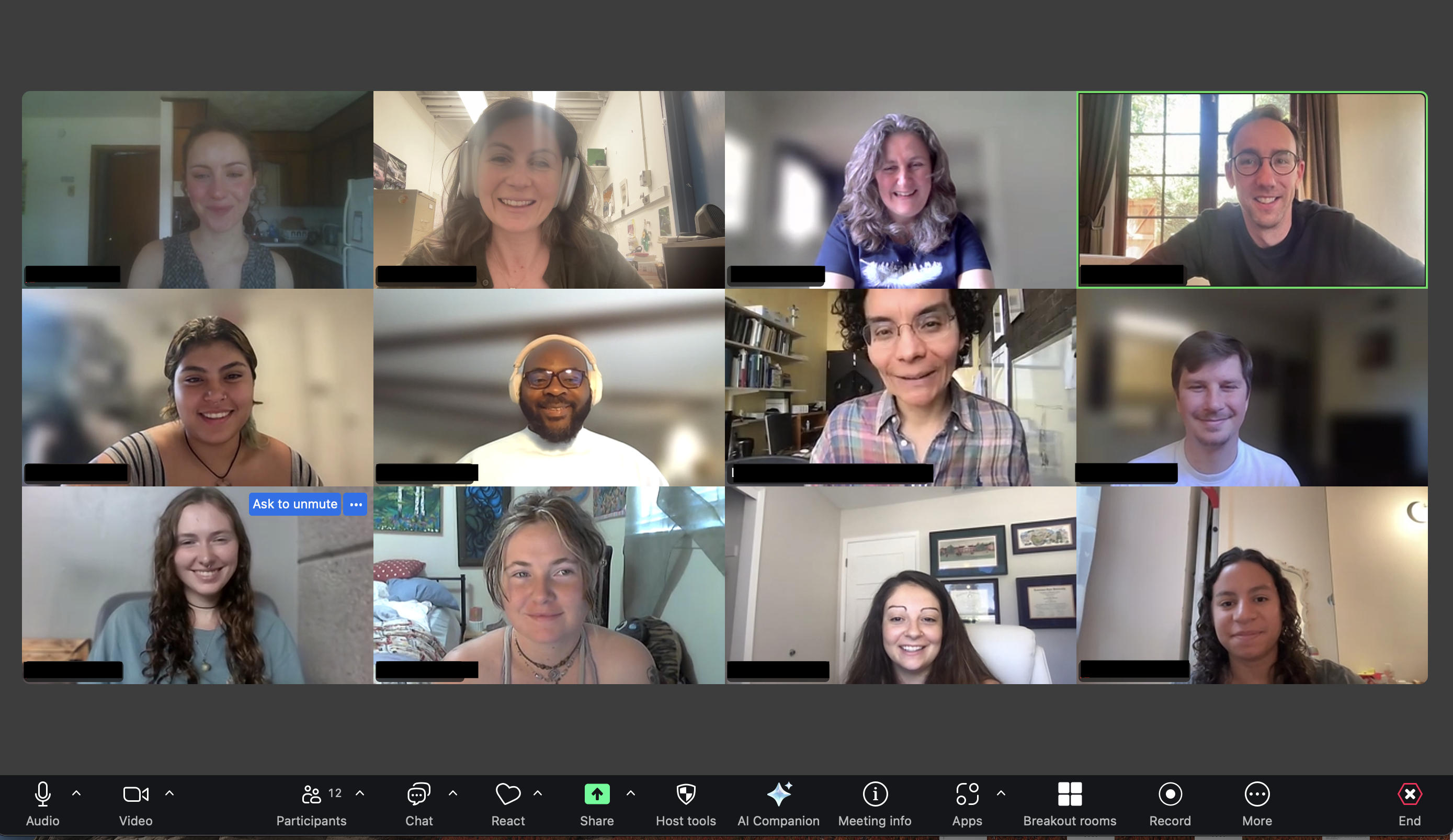
Y’all heard that right! We’ve got two brand new doctors coming out of the Kingston Lab this Fall! Big congratulations to Dr. Ahmed and Dr. Rutrough! 🥳

Both have done a fantastic job defending their dissertations, and we couldn’t be prouder! It’s been a joy watching their hard work pay off, and we can’t wait to see what kind of wild and wonderful science they’ll cook up next.

So go on and give them a holler in the comments. They’ve earned every bit of it!

GBatNet Students reunite in Washington DC

Representing five countries across four continents, five GBatNet students, Ashraf, Cecilia, Parfait, Pedro, and Robin came together with a shared mission to advance research on Data Deficient bat species around the world. If Abby, another GBatNet student, had been able to join in person, we could have been six strong. But alas, one continent is short and a little bit sad about it.

After months of virtual meetings packed with brainstorming and lively debates, the in-person gathering gave the team a chance to roll up their sleeves, refine ideas, and give real shape to their plans. Together, they finalized research designs, pulled together valuable data, and split up tasks to keep the project moving forward. Now they are looking forward to sharing their findings with the wider scientific community and seeing the impact of all their work.

Team required to forage caffeine at dawn and protein at dusk to fly high in the batty world

Kingston lab at the 20th IBRC in Australia 

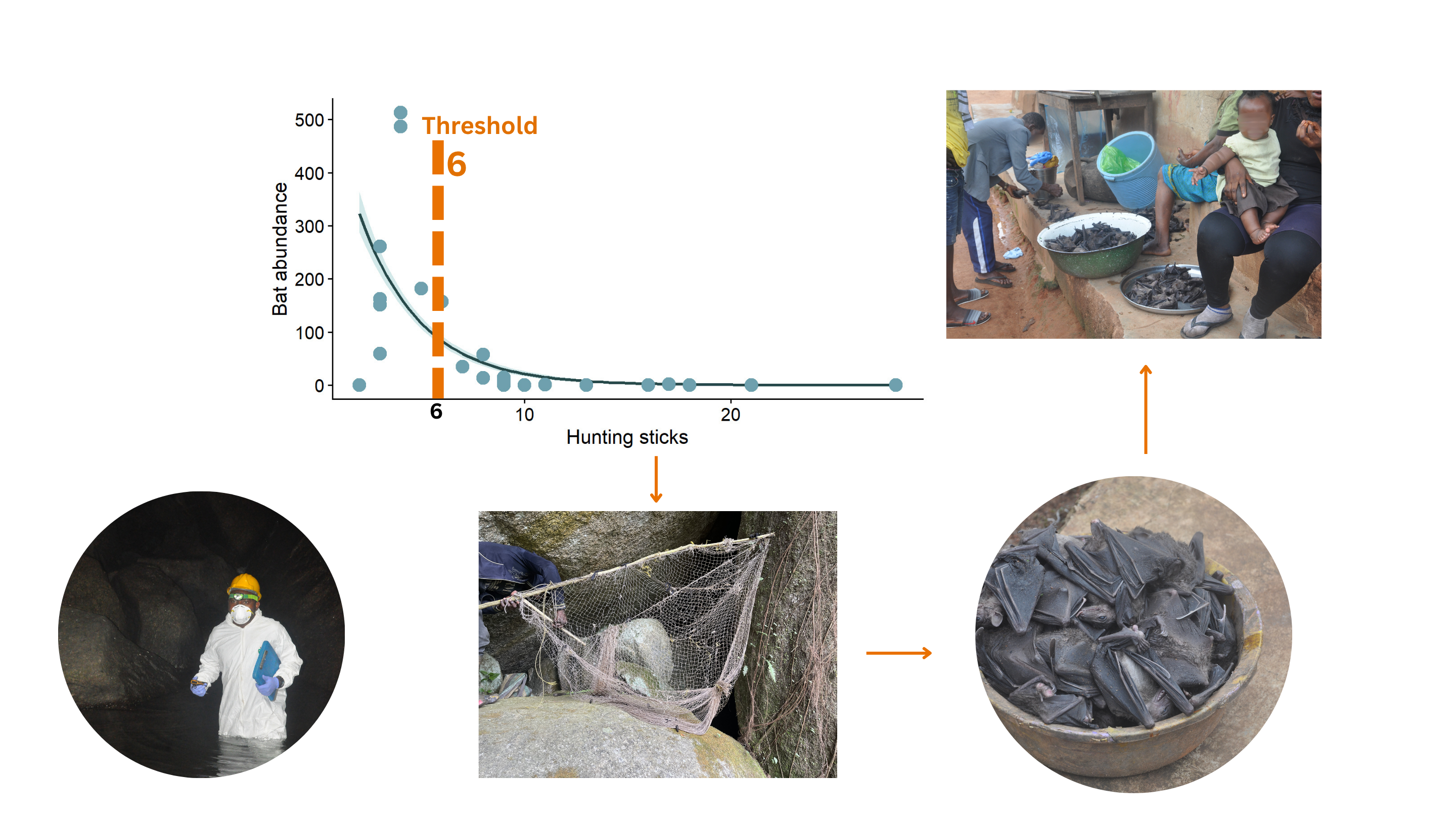
This year’s International Bat Research Conference (IBRC) in Cairns was among the most well-attended in the meeting’s history, and the Kingston Lab was well represented. Ben presented his work on the social networks and motivations driving bat hunting among communities in southern Nigeria, while Tigga talked about One Health Action Plans for species at the human-bat interface. Tigga also gave a distinguished plenary lecture on the need for networks, captivating the audience with an inspiring overview of GBatNet’s achievements and global impact. 

‘From the BatCave’ changed lives! 

This summer, Ben co-instructed the 7-week BatCave course, alongside Drs. Kristen Rayfield and Cassie Bonavita from the Dávalos and Anthony labs, respectively. This program, supported by the National Science Foundation, recruited six undergraduates from six different U.S. universities for an intensive, hands-on training in integrative disease ecology. Throughout this course, students received daily instruction and mentorship across ecology, virology, genomics, data analysis, coding, and science communication, while working with real datasets from Egyptian fruit bats in Nigeria.  

Student feedback was overwhelmingly positive. One participant described the BatCave course as ‘an amazing undergraduate opportunity’. All students shared that the experience gave them the confidence and preparation needed to pursue graduate school and do integrative science with ease. 

Knock Knock

Who’s there? Our newest lab member, Mary Heather Jingco!

We are so thrilled to welcome Heather to the Kingston Lab family! She’s doing things a little differently. Instead of following in the West Texas footsteps at Tech, she’s settled in our new base camp at the University of Illinois, Urbana-Champaign. Heather’s fixing to dive into research on endangered bat species in the Marianas, and we can’t wait to see what kind of batty brilliance she brings to the mix.

So y’all, give her a big Kingston Lab welcome!

From research to action: the impact of Kingston lab at the Southeast Asian Bat Conference 2024

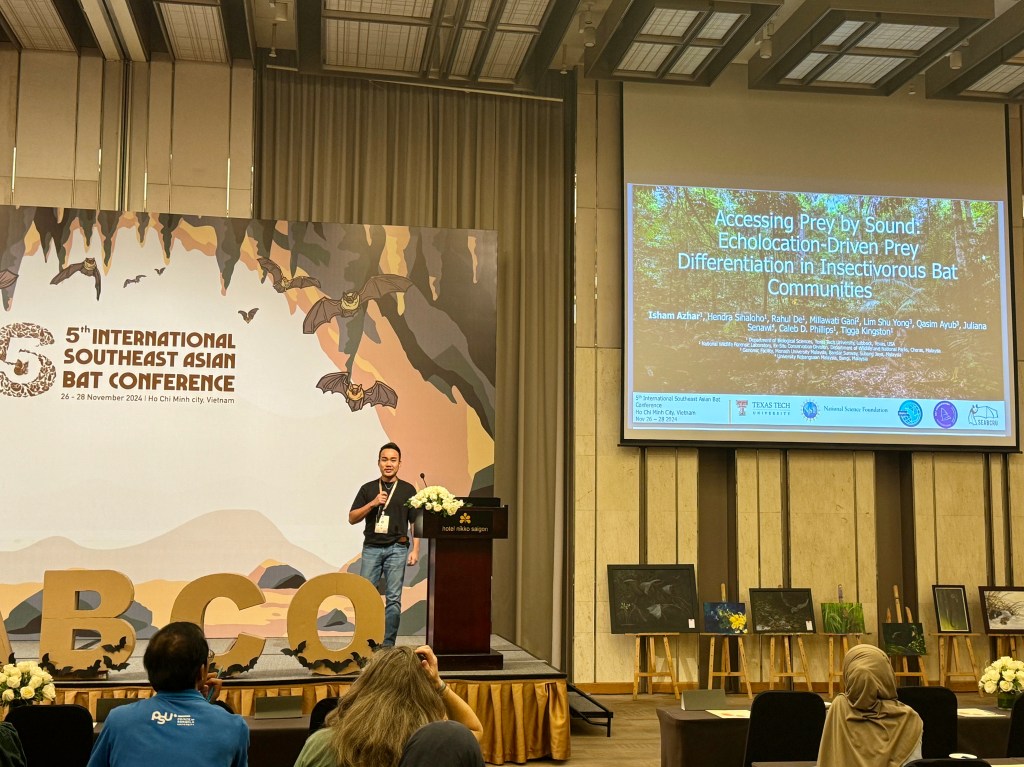
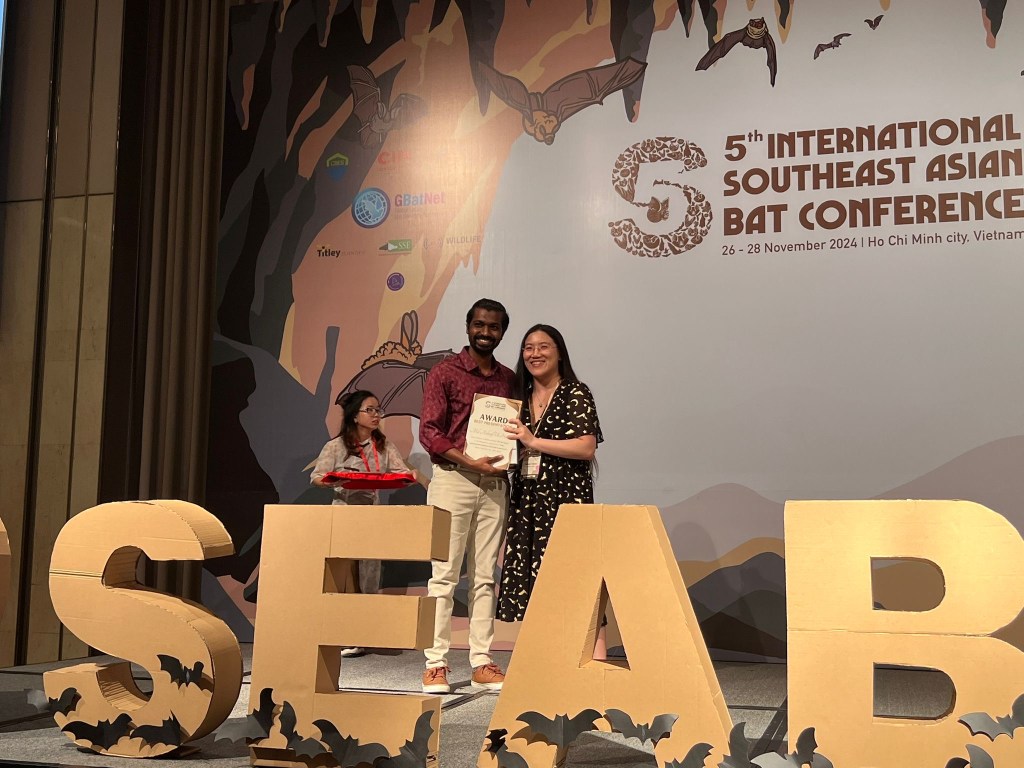
Kingston Lab members Isham and Ashraf attended in the 5th International Southeast Asian Bat Conference in Vietnam (November 25–28, 2024). Both presented their PhD research, with Ashraf’s presentation earning him the second-best presenter award of the conference – congratulations, Ashraf!

Tigga led two impactful workshops during the conference:

  • Field Hygiene in Practice: Demonstrating the use of Personal Protective Equipment (PPE) to prevent the risk of potential microbe transmission between humans and wildlife.
  • Cave Bat Conservation: Reviewing conservation strategies, identifying critical cave systems, developing monitoring systems, and fostering cross-country collaboration for unexplored cave surveys.
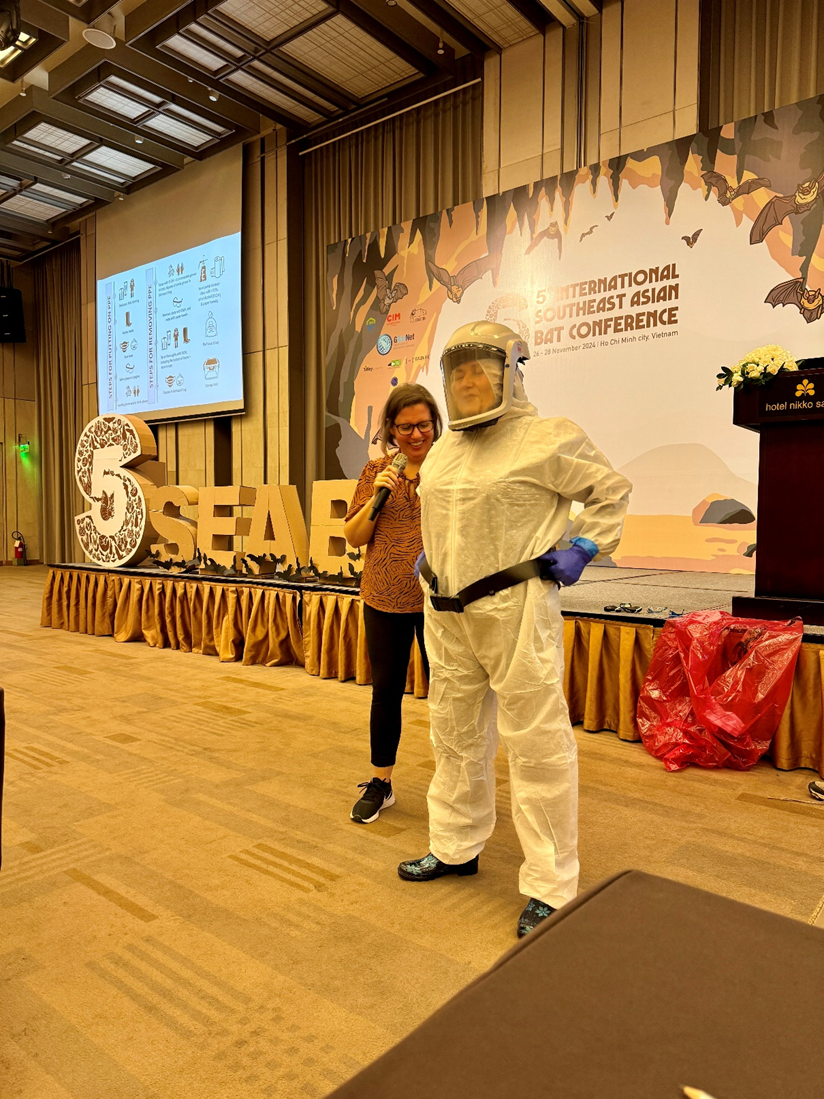
Tigga in action – suiting up for science and safety (because every bat mission needs the right gear!) with a PPE demo!

The post-conference trip to Cat Tien National Park featured hands-on demonstrations by Tigga and lab alumna Dr. Kendra Phelps, where they guided participants through field hygiene protocols from the IUCN SSC Bat Specialist Group. These demonstrations emphasized the use of appropriate PPE for studying cave bats, the application of disinfectants, and safe fieldwork practices to minimize microbe transmission risks between bats and humans.

A Warm Welcome to Dr Moe Moe to the Kingston Lab!

Moe Moe Aung joined the Department of Biological Sciences at Texas Tech University in April of this year (2024). She was a professor at the Zoology Department of Mandalay University, Myanmar. She worked on bat ecology and diversity in Myanmar with her colleagues and students, regional and international experts, and published findings in local and international research journals. She was awarded a visiting fellowship from the Institute of International Education-Scholar Rescue Fund (IIE-SRF) in 2022. However, some hard circumstances prevented her from traveling abroad. She arrived in April 2024 and has been working as a research fellow in the Kingston lab. She has been writing an updated review of Myanmar bats, as it has been nearly 25 years since Bates et al. 2000 reviewed the country’s bat fauna and reported 88 species. Since then, intensive surveys of bats have been conducted in Myanmar, resulting in some new species and many new records for the country, making a review timely.

Moe Moe steals the spotlight at the Carols of Light, shining brighter than the Texas Tech president!

She works on her research writing at the lab, the TTU library, or in comfortable places on the TTU campus. She has also been making the most of TTU’s professional development opportunities, taking online courses and attending on-campus symposia, trainings, and seminars. In her leisure time she likes to walk around the TTU campus and Lubbock neighborhoods.

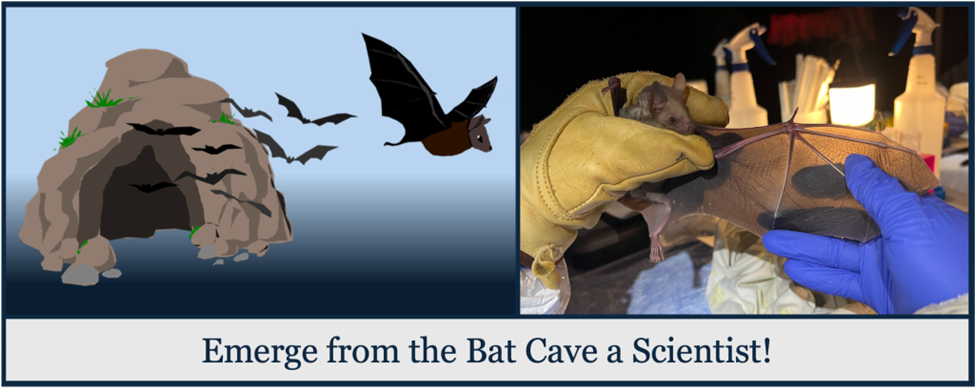
From the Bat Cave – Integrative Disease Ecology Research for Undergraduates

Do you have an interest in bats, ecology, and viromes?
Are you looking for an opportunity to conduct field research?
Are you ready to sink your teeth into cutting-edge research?

We are seeking self-motivated, curious, and collaborative students for an exciting 7-week paid National Science Foundation (NSF) research experience investigating environment-host-virome dynamics within wild Egyptian fruit bats (Rousettus aegyptiacus). This interactive learning and research opportunity introduces undergraduates to integrative disease research, including fieldwork in Puerto Rico! Students will receive guided mentorship, attend daily group meetings, and get hands-on training in fieldwork, data analysis, coding, and science communication!

Eligible participants must be US citizens, US nationals, or US permanent residents and current students or recent college graduates. Selected undergraduates will devote five weeks to online training and group activities and 10 days to in-person field ecology training in Puerto Rico. All travel and accommodation expenses to Puerto Rico will be covered. Undergraduates will also receive a stipend of $5,000 for the 7 weeks. We particularly encourage students from underrepresented minorities to apply. Don’t let this NSF funded opportunity fly by! Apply now to join this Bat Cave for Summer 2025!

Application deadline is October 31, 2024. For more information and application instructions, please visit the link: https://lmdavalos.github.io/post/24-09-18-batcave/

Kingston lab talks about Malaysian bats and their prey in Long Beach!

Our Malaysian bat project team (Isham, Hendra and Rahul) represented the Kingston lab at the 109th annual meeting of the Ecological Society of America in Long Beach, California from August 4 to 8, 2024. Isham’s brilliant presentation showed how the expected environmental filtering and niche packing for insectivorous bats were significant in continuous forests but not in the fragmented patches, highlighting the role of stochastic processes in fragmented landscapes. Hendra gave a data-rich yet engrossing talk on optimizing methods for metabarcoding insects from bulk samples captured using light traps. He demonstrated that four subsamples of 100μL each recovered 90% Operational Taxonomic Units (OTU; equivalent to species) from these homogenized samples of potential bat prey. Rahul’s presentation carried Hendra’s research forward by identifying forest characteristics that influenced insect alpha diversity. Additionally, his work showed that dietary diversity of insectivorous bats was not linked to prey diversity and there was limited overlap between OTUs recovered from light traps and those from bat feces.   

In addition to the super-insightful plenary sessions, our team had a great time dashing from room to room catching up on much cool science being presented simultaneously! With over 3500 attendees, plenty of exhibitions and dedicated career counselling sessions, they benefitted immensely in terms of networking opportunities.  

Nigeria Field Update 2024: Integrative Disease Ecology Field Season Successfully Completed!

Our second field season in Nigeria wrapped up this summer after an intensive seven months of bat surveys and sampling (November 2023 – June 2024). Ben led a field team of 15 to survey 17 caves across two sites in southern Nigeria sampling 1266 bats. This work is part of our larger collaborative effort to understand how human disturbance affects the complex relationships between bats, their environment, and their host viruses – critical knowledge for predicting and preventing viral spillover events. While focusing on the ever-cute Egyptian fruit bat (Rousettus aegyptiacus), the team also sampled other 17 bat species including the beautiful Otomops martiensseni, a new country record for Nigeria!

The team collecting samples
Caving is fun!
Ben installing an air sampler to trial a new e-sampling technique in a cave

Perhaps most importantly, this field season significantly strengthened the local capacity for bat research in Nigeria. Tigga and Dr. Simon Anthony were there to train field team on biosafety, sampling techniques etc.

Tigga demonstrates the use of calipers

The field season came with its fair share of challenges—maintaining cold chains for sample preservation was no cakewalk, with liquid nitrogen sources a bone-rattling 10-hour drive away. Add that to the logistical hurdles of hauling a 15L liquid nitrogen-charged dry shipper up and down a steep mountain, requiring a grueling 9-hour hike each way. But the dedication of the field team, especially our Nigerian colleagues, made it all fun.

Ben and Tigga took time to visit the Conservator of Park, Cross River State National Park
When you have a 9-hour hike on your hands, it’s hard not to stop every now and then for snacks and photos!
You need an army of enthusiastic porters all the time