
Whew, what a year! Over 1200 bats, 14 conference presentations, eight published papers, four countries, one coup, one visiting scholar, and a baby. Here’s to keeping it up in 2025!
___
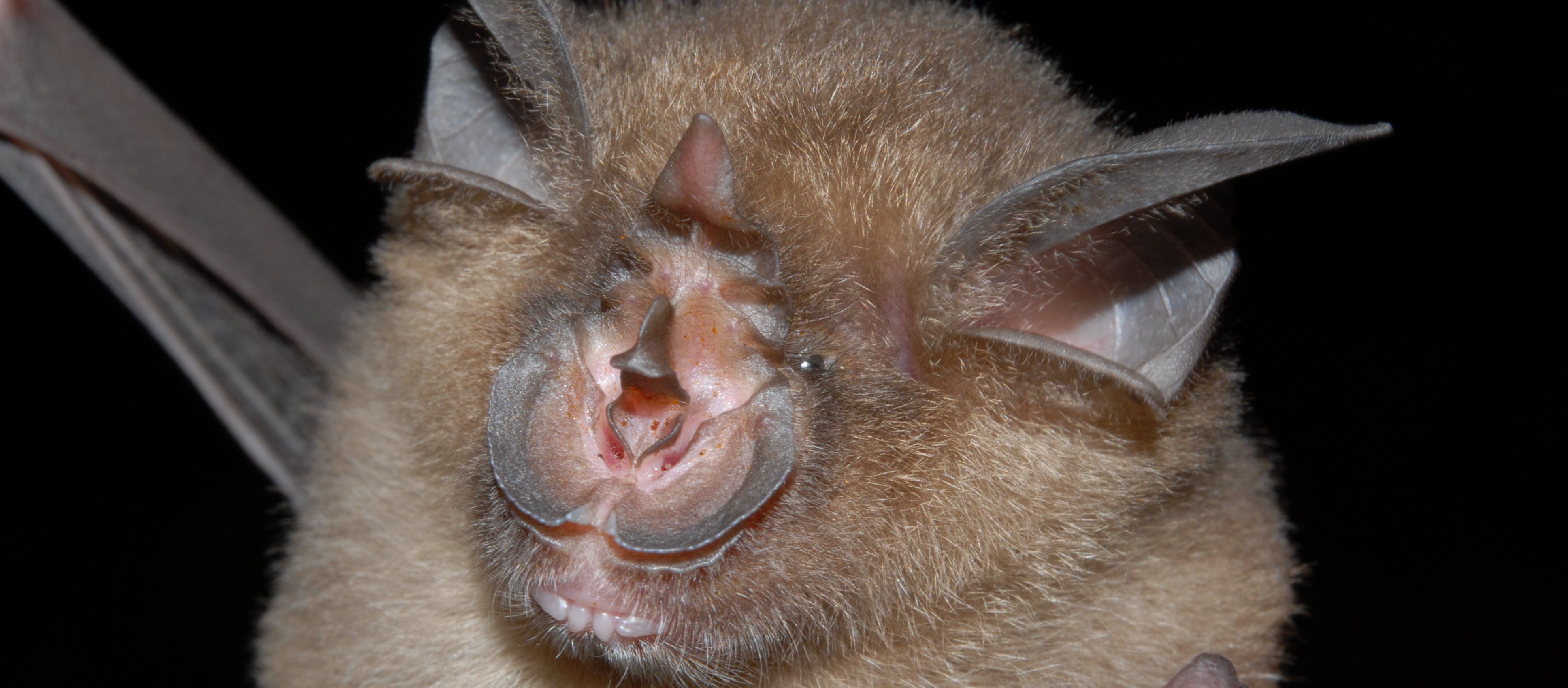
Whew, what a year! Over 1200 bats, 14 conference presentations, eight published papers, four countries, one coup, one visiting scholar, and a baby. Here’s to keeping it up in 2025!
___
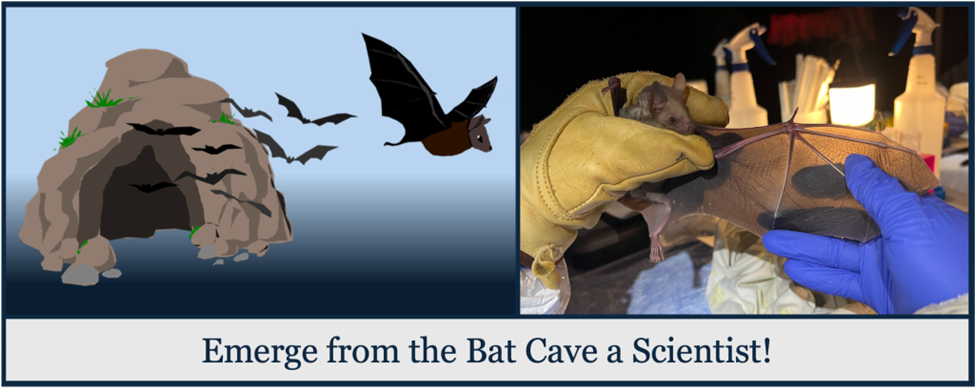
Do you have an interest in bats, ecology, and viromes?
Are you looking for an opportunity to conduct field research?
Are you ready to sink your teeth into cutting-edge research?
We are seeking self-motivated, curious, and collaborative students for an exciting 7-week paid National Science Foundation (NSF) research experience investigating environment-host-virome dynamics within wild Egyptian fruit bats (Rousettus aegyptiacus). This interactive learning and research opportunity introduces undergraduates to integrative disease research, including fieldwork in Puerto Rico! Students will receive guided mentorship, attend daily group meetings, and get hands-on training in fieldwork, data analysis, coding, and science communication!
Eligible participants must be US citizens, US nationals, or US permanent residents and current students or recent college graduates. Selected undergraduates will devote five weeks to online training and group activities and 10 days to in-person field ecology training in Puerto Rico. All travel and accommodation expenses to Puerto Rico will be covered. Undergraduates will also receive a stipend of $5,000 for the 7 weeks. We particularly encourage students from underrepresented minorities to apply. Don’t let this NSF funded opportunity fly by! Apply now to join this Bat Cave for Summer 2025!
Application deadline is October 31, 2024. For more information and application instructions, please visit the link: https://lmdavalos.github.io/post/24-09-18-batcave/

Our second field season in Nigeria wrapped up this summer after an intensive seven months of bat surveys and sampling (November 2023 – June 2024). Ben led a field team of 15 to survey 17 caves across two sites in southern Nigeria sampling 1266 bats. This work is part of our larger collaborative effort to understand how human disturbance affects the complex relationships between bats, their environment, and their host viruses – critical knowledge for predicting and preventing viral spillover events. While focusing on the ever-cute Egyptian fruit bat (Rousettus aegyptiacus), the team also sampled other 17 bat species including the beautiful Otomops martiensseni, a new country record for Nigeria!


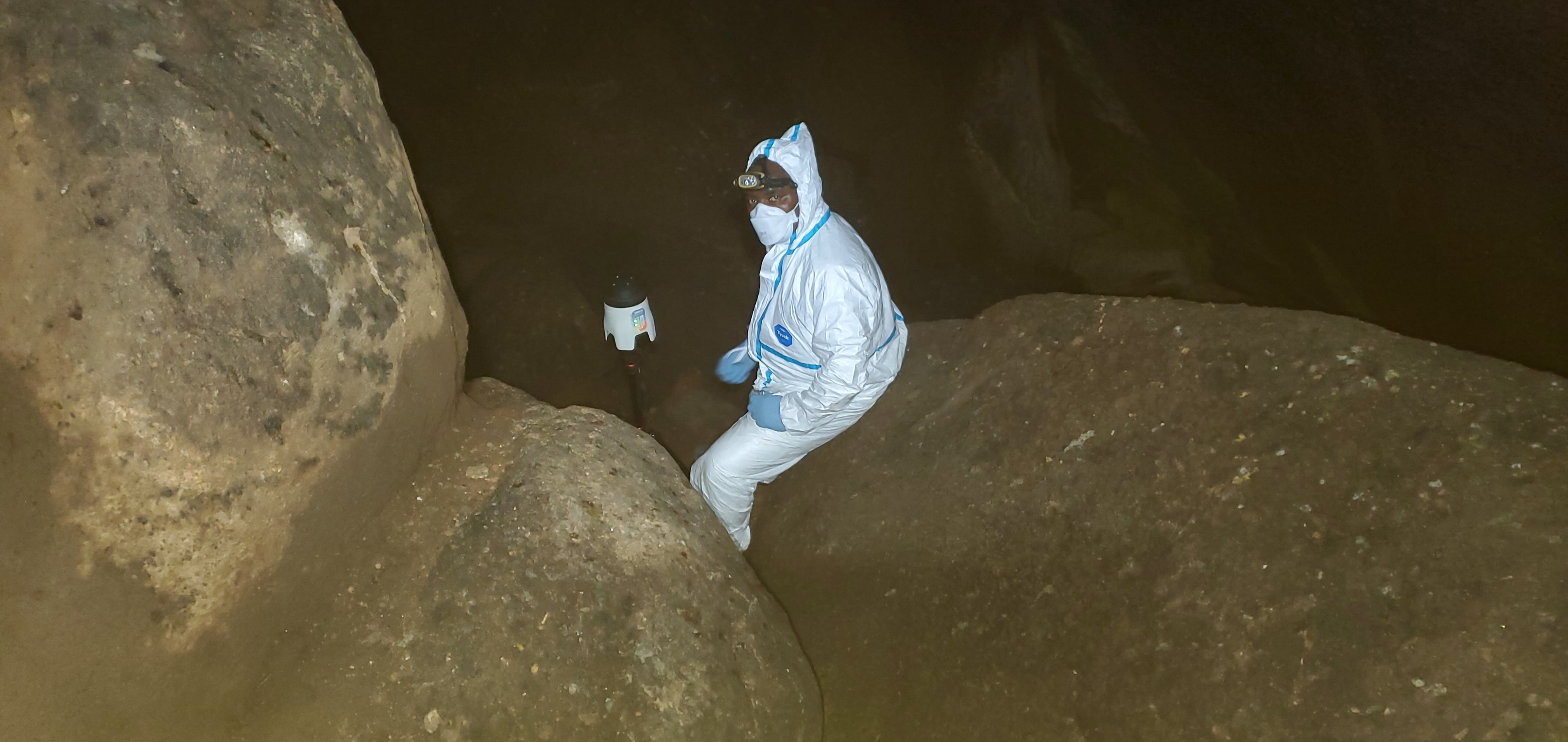
Perhaps most importantly, this field season significantly strengthened the local capacity for bat research in Nigeria. Tigga and Dr. Simon Anthony were there to train field team on biosafety, sampling techniques etc.

The field season came with its fair share of challenges—maintaining cold chains for sample preservation was no cakewalk, with liquid nitrogen sources a bone-rattling 10-hour drive away. Add that to the logistical hurdles of hauling a 15L liquid nitrogen-charged dry shipper up and down a steep mountain, requiring a grueling 9-hour hike each way. But the dedication of the field team, especially our Nigerian colleagues, made it all fun.
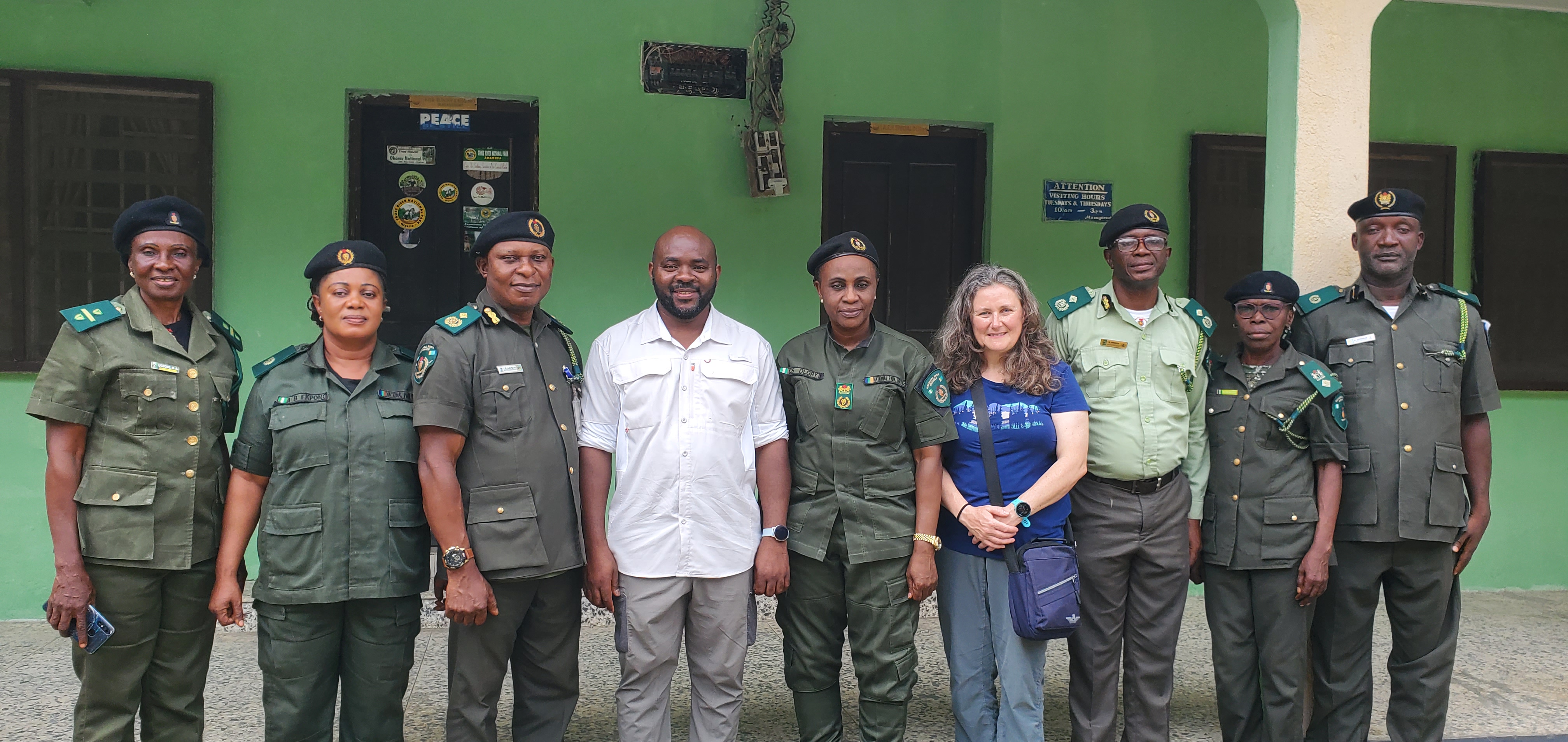


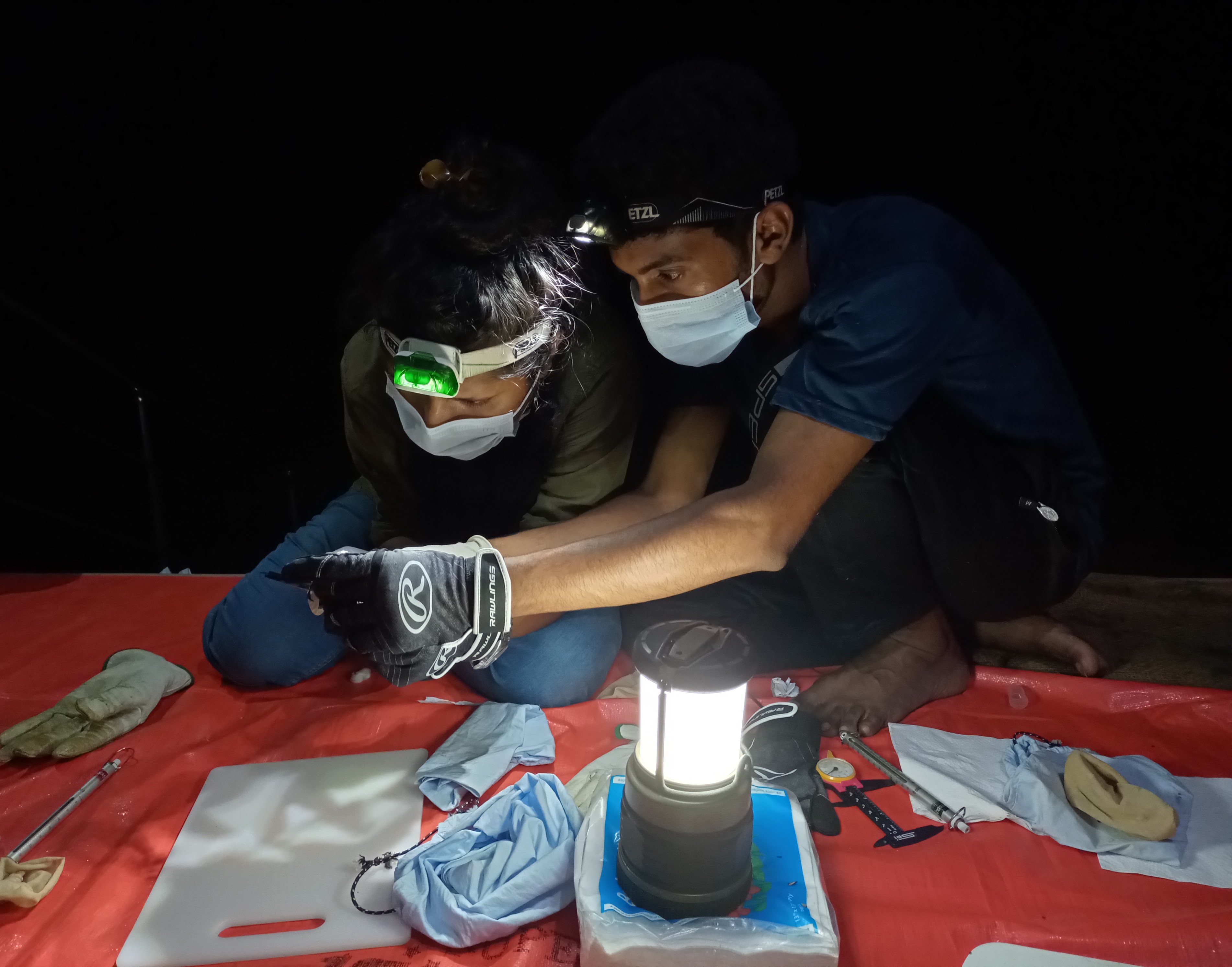
Ashraf just finished his long waited first season of fieldwork this Summer 2022 in Bangladesh. The field season started with a Seminar as Dr. Tigga Kingston was invited to speak at the Jagannath University, Dhaka, Bangladesh as keynote speaker. Dr. Kingston’s talk was entitled “Diversity and Conservation of Bats in Paleotropics”. A further talk was given by Ashraf on the human dimension of bats and current bat research in Bangladesh, and the project “Bats of Bangladesh: Bat Assemblage Structure and Species Responses to Land-use Change” he was undertaking. Later, Dr. Kingston visited Ashraf’s field site to see if the study design was feasible and build bat research capacity. As part of the capacity building, Ashraf, and his team (4 students) received hands-on training on complementary field methods such as harp traps, mist nets, and acoustics to capture and record bats. They also got training on collecting morphometric data of bats and taxonomy.
In this season, Ashraf worked in three protected areas of Bangladesh. He and his team caught ~550 bats and ~17 species! The project was funded by the Rufford Foundation, Bat Conservation International, Michelle C. Knapp Memorial Scholarship, and obviously, the equipment support was provided by the Kingston Lab.


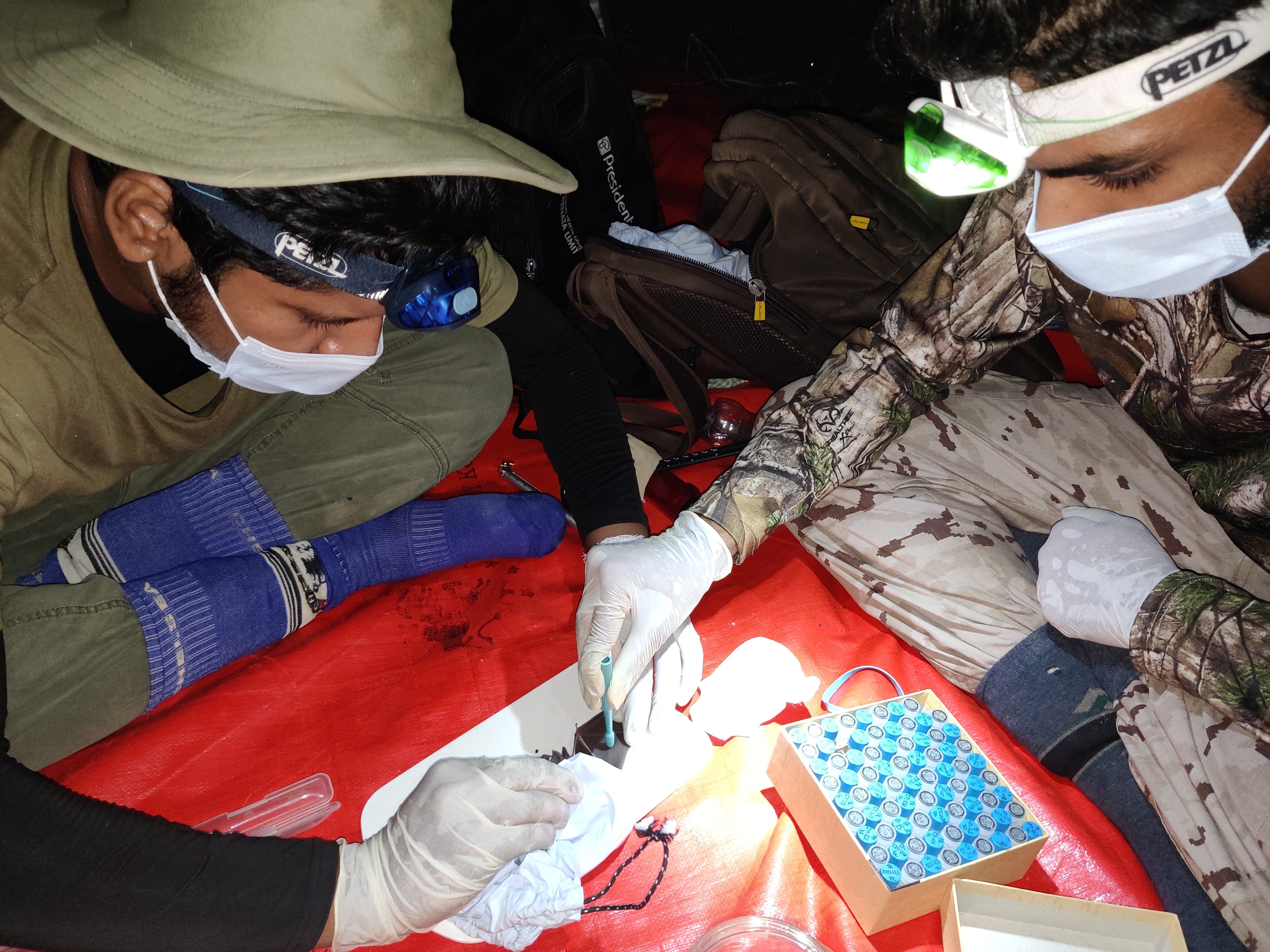
Baobab (Adansonia digitata) trees are iconic symbols of the arid lands of continental Africa, and aside from some populations in Southern Africa are largely dependent on fruit bats for pollination. However, the bats visit a diversity of plant species to meet their energetic and nutritional needs, so the pollination service they provide the baobabs may be influenced by the landscape context of individual trees. In collaboration with Dr Paul Webala, Macy Krishnamoorthy set out to determine the relative contribution of individual plant traits, namely tree height and girth, and landscape features and context (e.g., the distance of baobab trees to conspecifics, distances to resources that might attract or distract bats, land use) to baobab reproductive success. Very ably assisted by Mr Michael Bartonjo, she mapped more than 700 baobab trees in ~10 km2 area in Kenya, measured them, and derived a number of landscape variables for each tree. She counted the number of fruit per baobab as a measure of reproductive success.

So what did she find? Perhaps not surprisingly, larger trees were more likely to produce fruit and produce more fruit, but landscape variables also played a role, but in a complex and scale-dependent way. The importance of distance to and density of alternate food resources changed with scale, but generally, pawpaws tended to act as attractants whereas figs distracted bats from their role as pollinators.

You can read the full story here:
Krishnamoorthy, M.A., Webala, P.W. & Kingston, T. Baobab fruiting is driven by scale-dependent mediation of plant size and landscape features. Landsc Ecol (2022).
Fieldwork was fun but arduous and there are many people in Kenya to thank! A special thank you to Macy’s local host Daniel Ngei and his family, the local chief Joseph Kavui and all the landowners in the villages of Kaai, Kalesi, Kaluku South, Kandundu, Katithini, Kavui, Kawula, Kiwaani, Mutoleka, Ngieni East, Ngieni West and Yungamaduu who generously allowed us to sample baobabs or others fruiting trees on their lands. Funding for the project came from Bat Conservation Internationa, the Association of Biologists at Texas Tech University, and the Department of Biological Sciences at TTU.

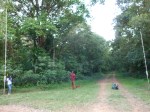
Last month I had an excellent trip to Kenya to visit with Dr Paul Webala at Karatina University, which resulted in a Letter of Intent between Texas Tech and Karatina that we hope will facilitate future collaboration and student exchange between our institutes. We then went off to western Kenya in pursuit of bats, starting with the most easterly section of of Africa’s tropical rainforest, preserved in Kakamega Forest. It was beautiful, and we caught some super bats ….




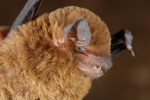
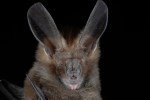
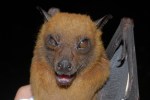
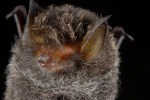


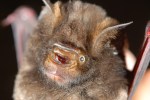

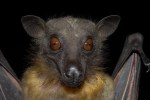
We then started heading towards the Lake Victoria area, but stopped on en route at an Eidolon roost that Beryl will be monitoring as part of a continent-wide initiative, and building on Paul’s work on colonies in this area that was supported for several years by Rufford.


We stayed at the Impala Sanctuary just outside Kisumu, on the shores of Lake Victoria, where we had a highly productive time catching and recording edge/gap bats.

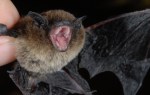


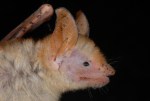


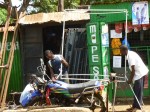
We had enough time for a trip to one of the fishing villages on the Lake’s shores — very exciting for me as I teach about the catastrophic biodiversity collapse precipitated by the introduction of the Nile perch and Tilapia in both my Ecology and Conservation Biology classes.

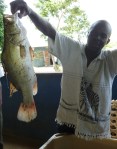
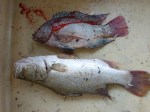

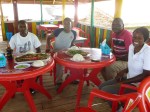
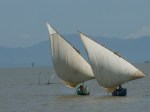
I had a wonderful time and would like to thank Paul for being such an awesome host, and was very excited to work with Beryl, Mike and Simon (great bat futures ahead of you all). Thanks to Texas Tech (Department of Biological Sciences, College of Arts and Sciences, and the Vice President for Research’s Office) for funding the trip. I’m sure great things will come of it.
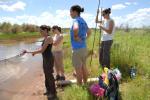
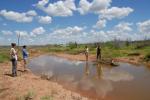
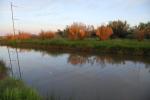
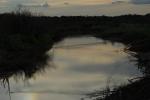
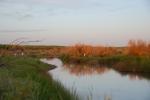
In an effort to get some bats to build up Marina’s full-spectrum call library, we embarked on a lab++ (Tigga, Marina, Danny, Maria, Liz, Karina) trip to Matador Wildlife Management Area. We set up some beautiful nets over the summer remnants of a river, but sadly didn’t catch anyone, probably in part because it was a full moon.
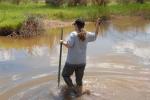
The lab, with superb help from Julie, Cibele & Liz from the Baker Lab, braved a wicked cold front the weekend before last to track down Tadarida brasiliensis at Clarity Tunnel. More details on that trip here!
 Kingston Lab