BatID 2025 was sick!

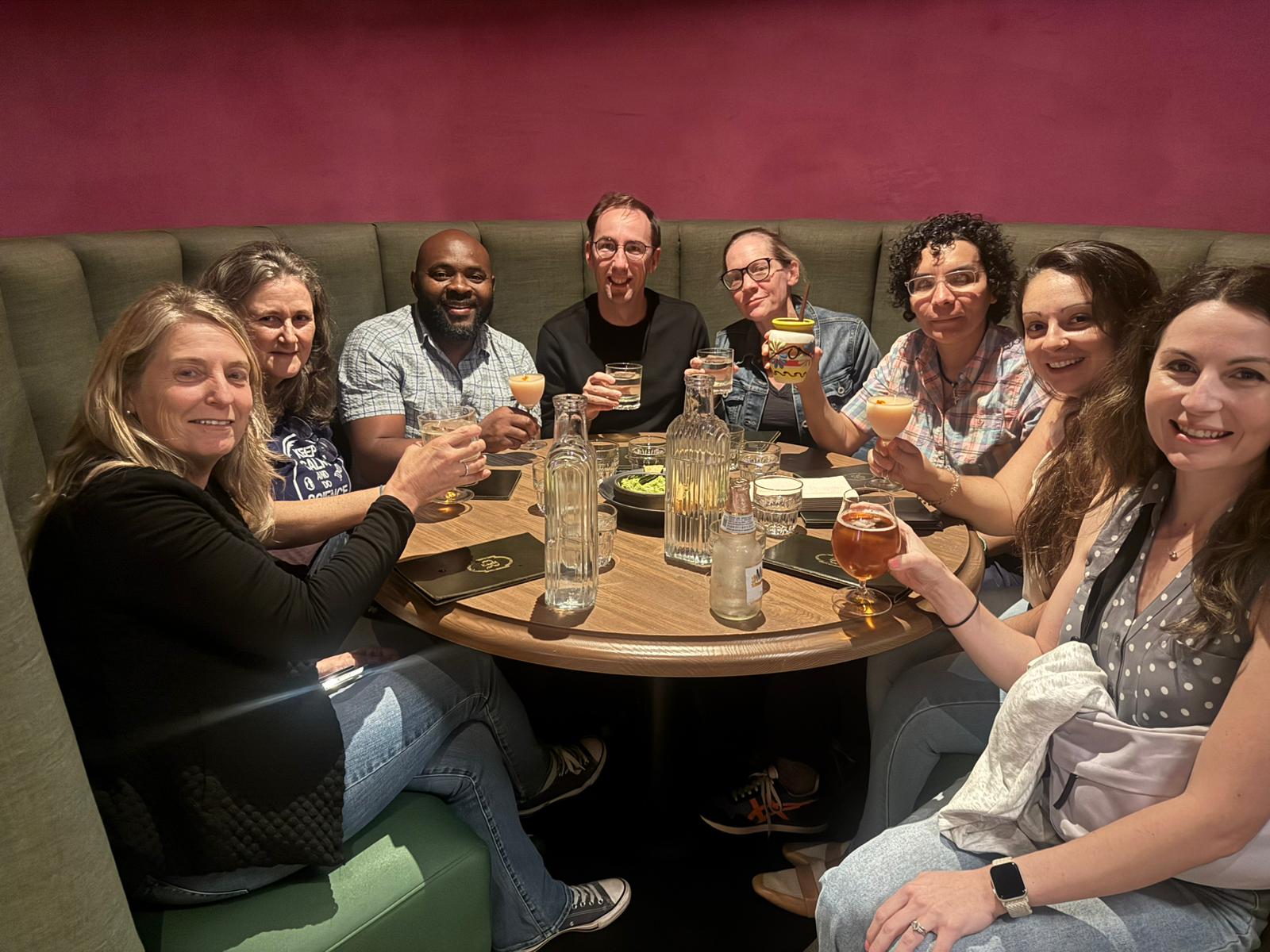
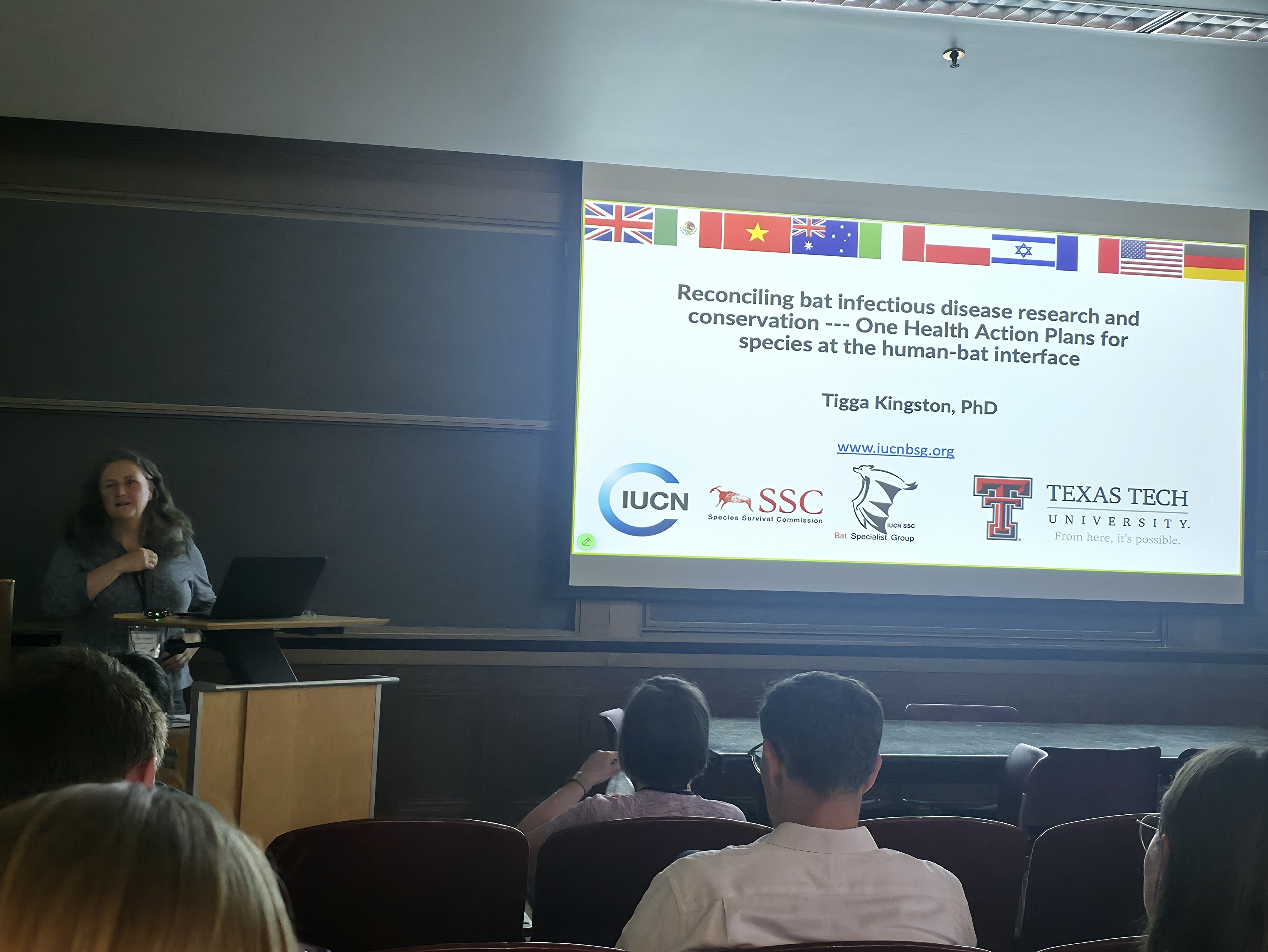
Tigga, Ben, and Abby all traveled to Chicago to present talks at BatID 2025. BatID (AKA The 4th Triennial International Symposium on the Infectious Diseases of Bats) focuses on interdisciplinary research on bats and diseases. Tigga gave a plenary on reconciling disease and conservation research in OneHealth action plans, Ben presented his talk “Targeting taste and leveraging leadership influence: a behavioral approach to reducing bat meat consumption and zoonotic disease risk”, and Abby presented on the reasons bat researchers choose to follow (or not!) IUCN guidelines on the best practices for bat fieldwork. We even had a colaborator meeting where the Nigerian project PIs and postdocs all found themselves squashed into a roost (booth) with Tracey Goldstein.

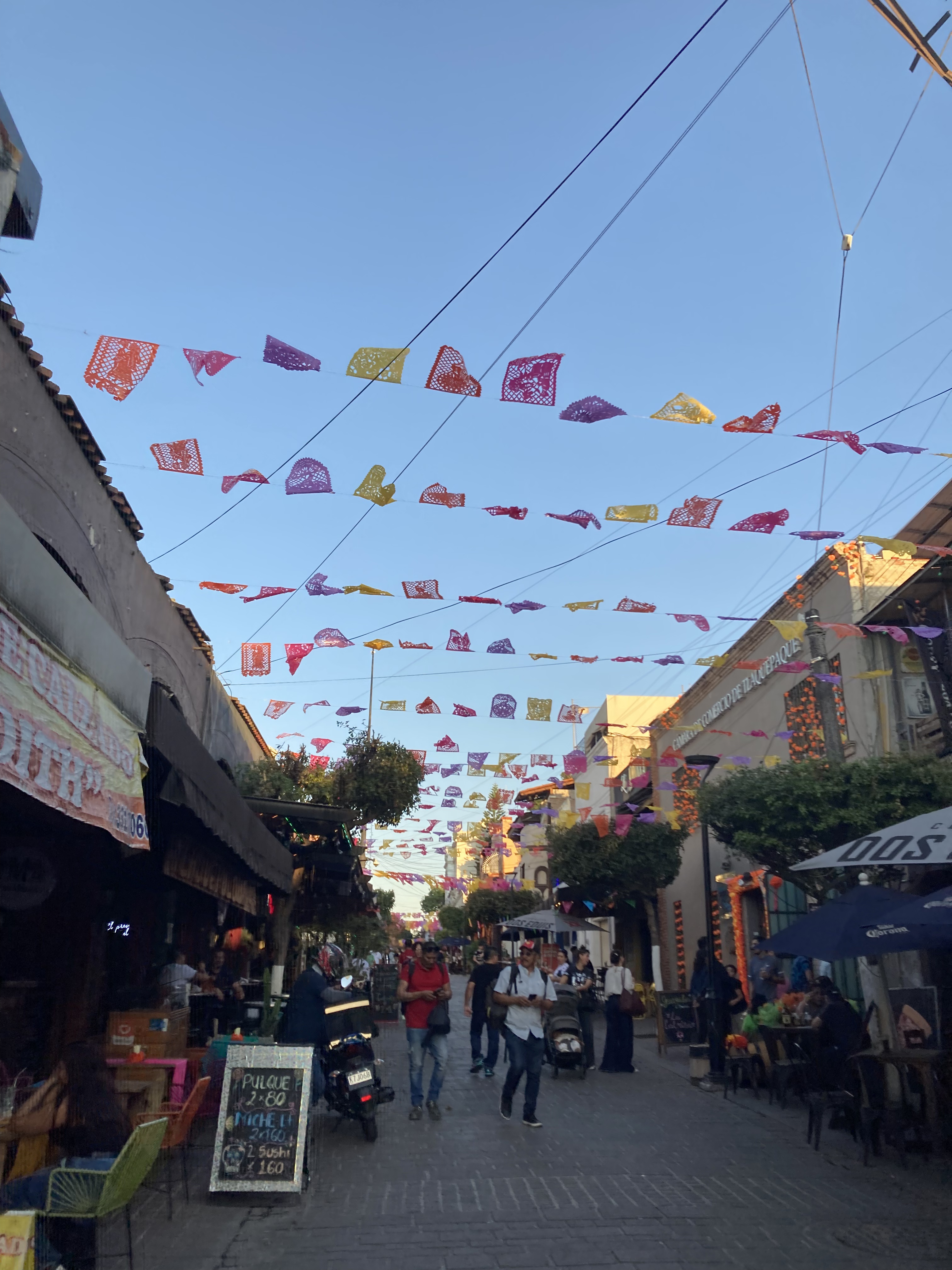
Bats and Taquilla in Guadalajara, NASBR 2024 was a blast!

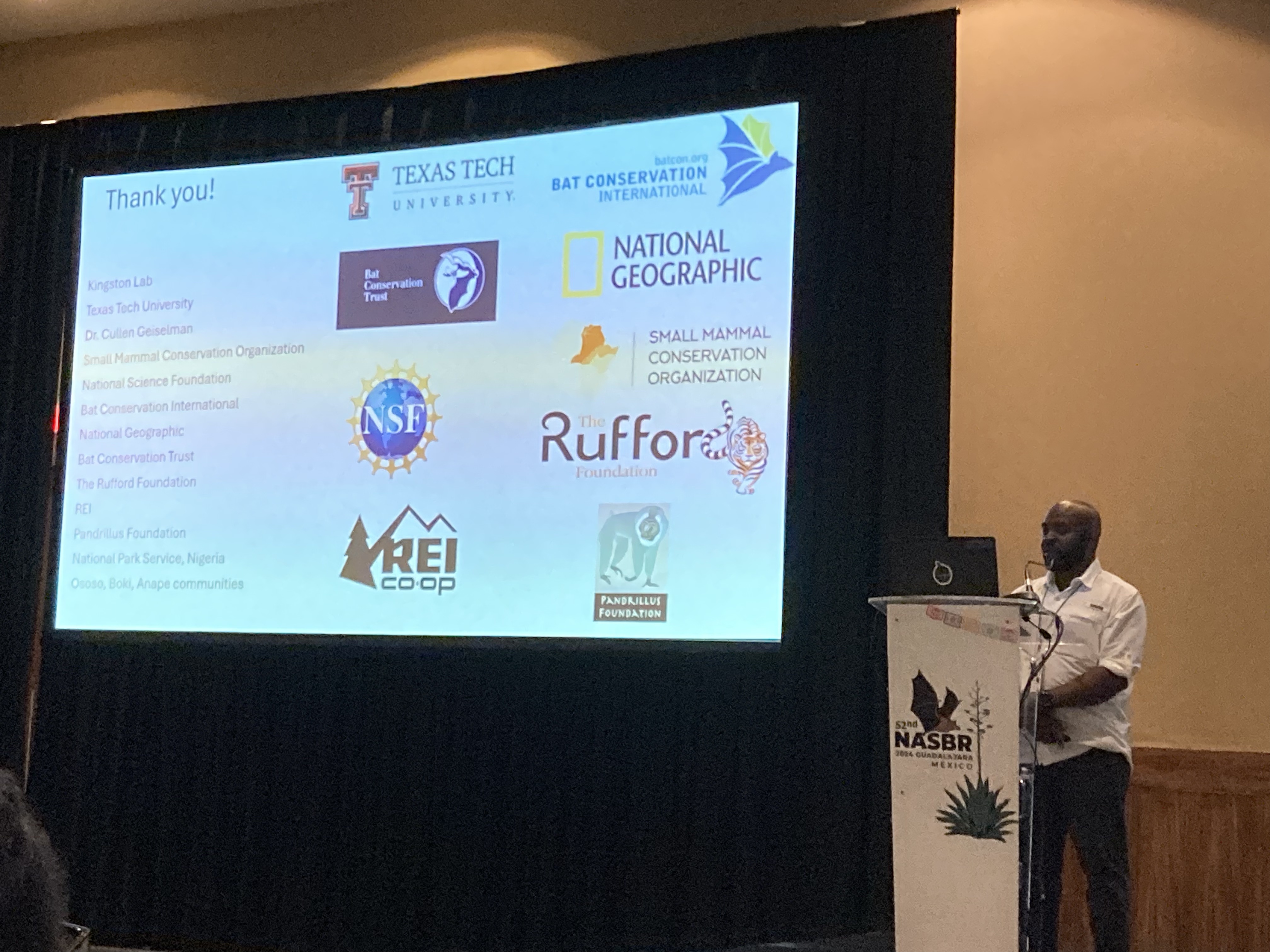
Lots of familiar faces of past and present lab members at NASBR 2024! Despite some technical difficulties, Ben presented his talk “Taste, Influence, and Availability: the Key Factors driving Bat Meat Consumption”. Ben’s talk showed that bat meat consumption is driven by an interplay of multiple socio-cultural factors rather than just economics.  These findings underscore the importance of structuring conservation and public health interventions to more integratively target all drivers of behavior concern. Abby won the Luis F. Bacardi Bat Conservation Award for her talk “Bat Hunting in Sub-Saharan Africa: Mapping the Distribution of a Conservation-Relevant Human Behavior Using Hypothesis-Driven Models”, which was full of stats, bats, and maps (three of her favorite things!). Former lab post doc Maria Sagot encouraged her fellow bat scientists to join EchoMap, a collaborative global effort to increase capacity-building for bat acoustic monitoring resources. Learn more about EchoMap here. And of course, everyone had a great time at the banquet!

Touseef Awarded Travel Grant to Present at the 8th World One Health Congress in South Africa!

AMR is a growing One Health concern, and understanding the role of wildlife, especially species like flying foxes, in spreading resistant bacteria is crucial for the health of humans, animals, and the environment.

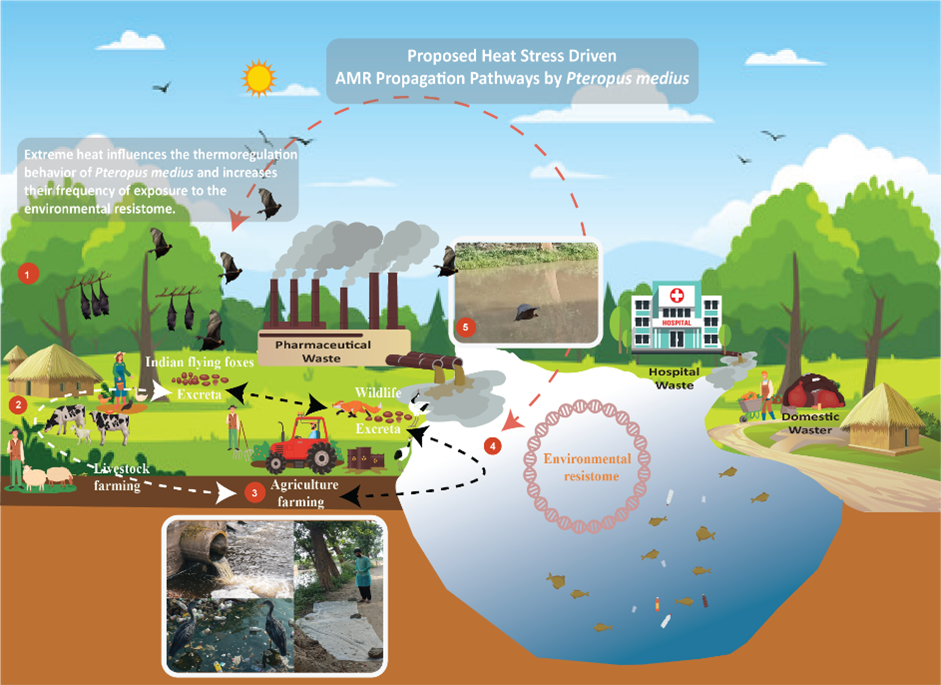
Touseef’s research focuses on an important, yet often overlooked, driver of antimicrobial resistance (AMR) – environmental temperature and relative humidity. These factors indirectly affect wildlife behaviors, which can increase the risk of encountering antimicrobial residues and pathogenic Extended Spectrum β-Lactamase (ESBL) producing E. coli.  

Proposed Environmental Antimicrobial Resistance Propagation Pathways by Pteropus medius

Research Key Highlights:

  • Resistance was found against last resort Reserve class antibiotics such as aztreonam (16%) and imipenem (2%).
  • 46% of isolates showed multi-drug resistance.
  • 37% were ESBL producers, with the blaTEM gene present in over 90% of isolates, particularly in winter samples.
  • Environmental and land use factors like human settlement and water bodies were found to influence the isolation of resistant genes.

This research sheds light on the complex relationship between environmental factors, land use, and AMR propagation via P. medius, emphasizing the need for an integrated One Health approach to combat AMR.

Kingston lab talks about Malaysian bats and their prey in Long Beach!

Our Malaysian bat project team (Isham, Hendra and Rahul) represented the Kingston lab at the 109th annual meeting of the Ecological Society of America in Long Beach, California from August 4 to 8, 2024. Isham’s brilliant presentation showed how the expected environmental filtering and niche packing for insectivorous bats were significant in continuous forests but not in the fragmented patches, highlighting the role of stochastic processes in fragmented landscapes. Hendra gave a data-rich yet engrossing talk on optimizing methods for metabarcoding insects from bulk samples captured using light traps. He demonstrated that four subsamples of 100μL each recovered 90% Operational Taxonomic Units (OTU; equivalent to species) from these homogenized samples of potential bat prey. Rahul’s presentation carried Hendra’s research forward by identifying forest characteristics that influenced insect alpha diversity. Additionally, his work showed that dietary diversity of insectivorous bats was not linked to prey diversity and there was limited overlap between OTUs recovered from light traps and those from bat feces.   

In addition to the super-insightful plenary sessions, our team had a great time dashing from room to room catching up on much cool science being presented simultaneously! With over 3500 attendees, plenty of exhibitions and dedicated career counselling sessions, they benefitted immensely in terms of networking opportunities.  

From Green Canopies to Golden Fields: Ashraf Presents the Odyssey of Bangladeshi Bats to Texan Audiences

Ashraf was telling a bat story, keeping the audiences hanging on every word

At the 42nd annual Texas Society of Mammalogists meeting in February 2024, Ashraf presented a poster on how bat assemblages are responding to land-use change in Bangladesh. During his two-year adventure in the world of bats, he documented 16 bat species across 5 families and 4 feeding guilds, employing a combination of mist nets and harp traps. His research illustrates that bat species diversity is greater in forests compared to degraded land-use within the protected areas. In addition, Ashraf demonstrated that bat species composition varies across study sites, emphasizing that forested areas are home to specialist bat species, in contrast to degraded sites. Remarkably, Ashraf’s study pioneered the use of the harp trap as a successful method for capturing forest understory bats in Bangladesh, representing a substantial leap forward in the country’s bat research.

Lots of Science and Lots of Fun at the IUCN Red List Workshop and 14th African Small Mammal Symposium!

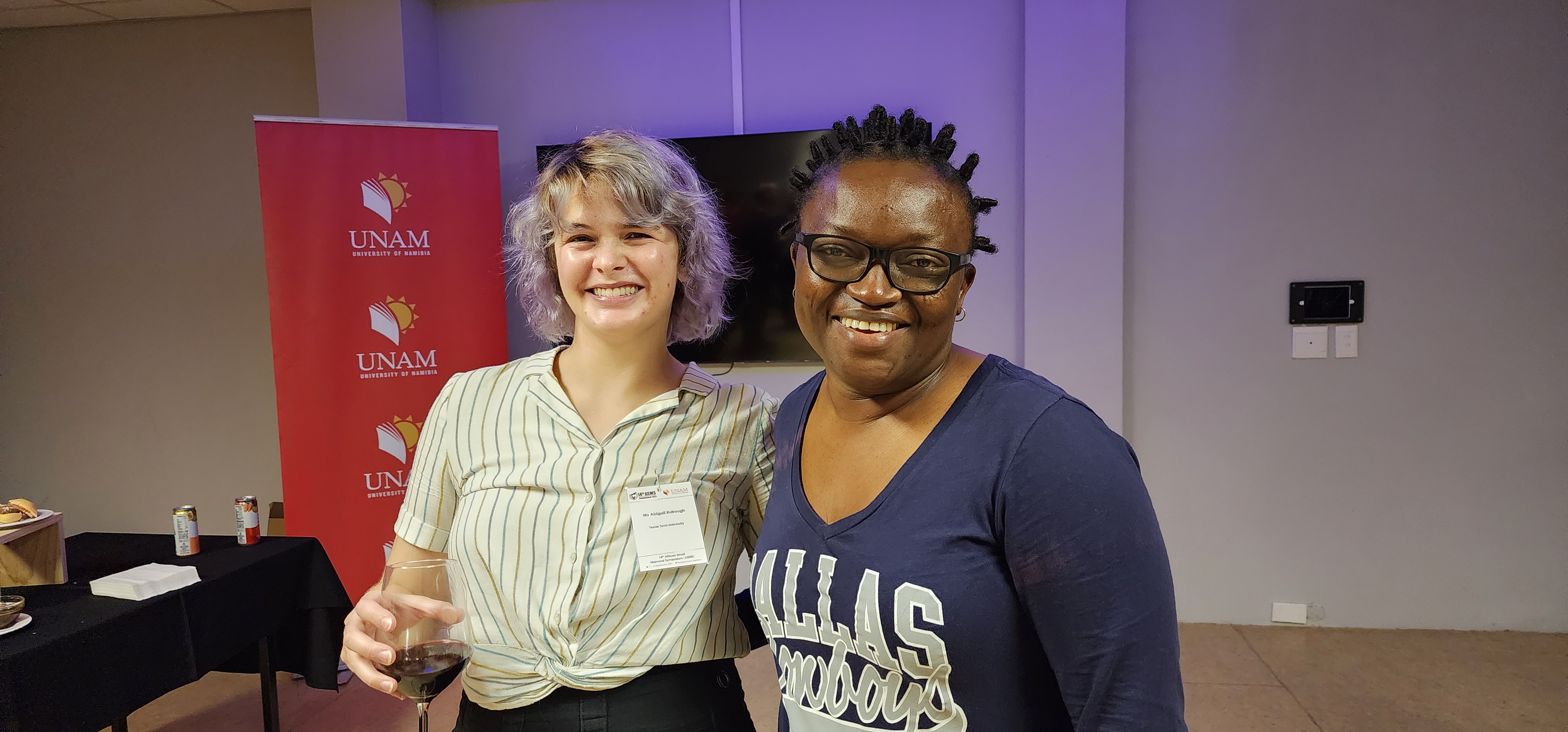
This September Tigga and Abby joined bat researchers from across Africa and around the world at the IUCN African bats Red List workshop and 14th African Small Mammal Symposium in Swakopmund Namibia. While there, Tigga led an evening workshop on grant writing, and Abby, along with fellow GBatNet student representative Cecilia Montauban, led one for students on writing applications.

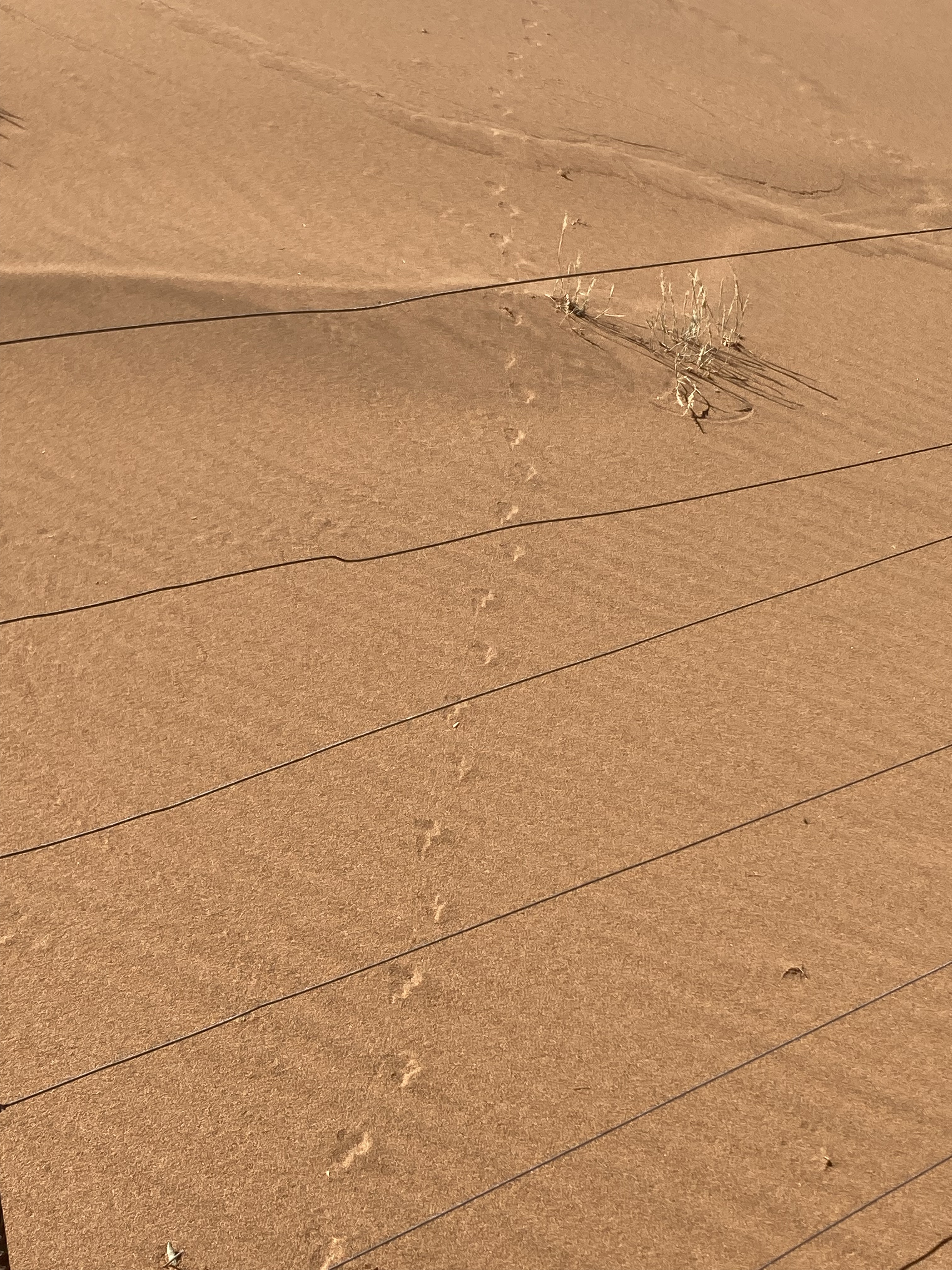
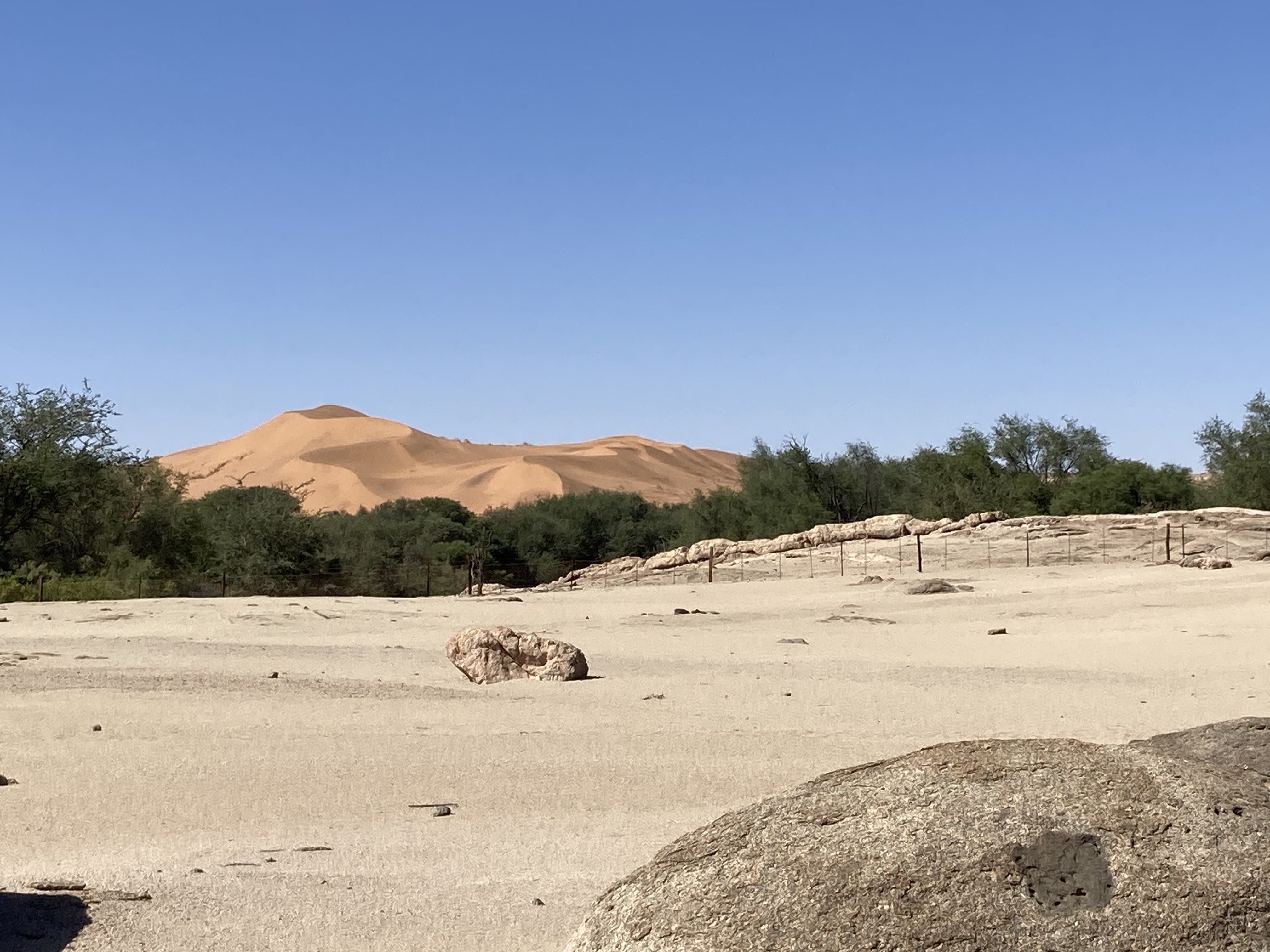
After the Red List workshop, they joined the African Small Mammal Symposium and presented work on modeling bat hunting in Sub-Saharan Africa and GBatNet. A mid-week field trip to the Gobabeb Training and Research Centre yielded some spectacular dunes and desert small mammal sightings!

Tigga made it to the top!

Isham won the Vernon Bailey Award 2023!


Isham recently attended the Texas Society of Mammalogists Annual Meeting and presented his work: “Forest Fragments Contribute to the Maintenance of Paleotropical Bats Functional Diversity” where he won the Vernon Bailey Award for the best poster presentation in classical mammalogy at the organismal level. His work highlights that there is an increasing dissimilarity between co-existing species in forest fragments relative to those in continuous forests, a pattern that may be linked to niche expansion. Overall, forest fragments may contribute to the maintenance of functional diversity of insectivorous bat communities at the landscape level, although large tracts of forest are important for forest specialists.

Touseef Presents Poster on Future Directions for One Health Research at 7th World One Health Congress 2022 in Singapore

Touseef posed in front of his poster titled “Future directions for One Health Research; Regional and Sectoral Gaps

A competitive Travel Award by the Congress Organizing Committee enabled Touseef to attend the 7th World One Health Congress in Singapore to present his research “Future directions for One Health Research: Regional and Sectoral Gaps”. The concept of One Health highlights the important inter-relationships between health and well-being of people, animals, plants, and the environment which supports their existence. However, implementation of a One Health approach varies considerably between different geographical regions and remains challenging to implement without greater inclusivity of different disciplinary capacity and expertise. Identifying regional and sectoral gaps will help achieve One Health research parity.

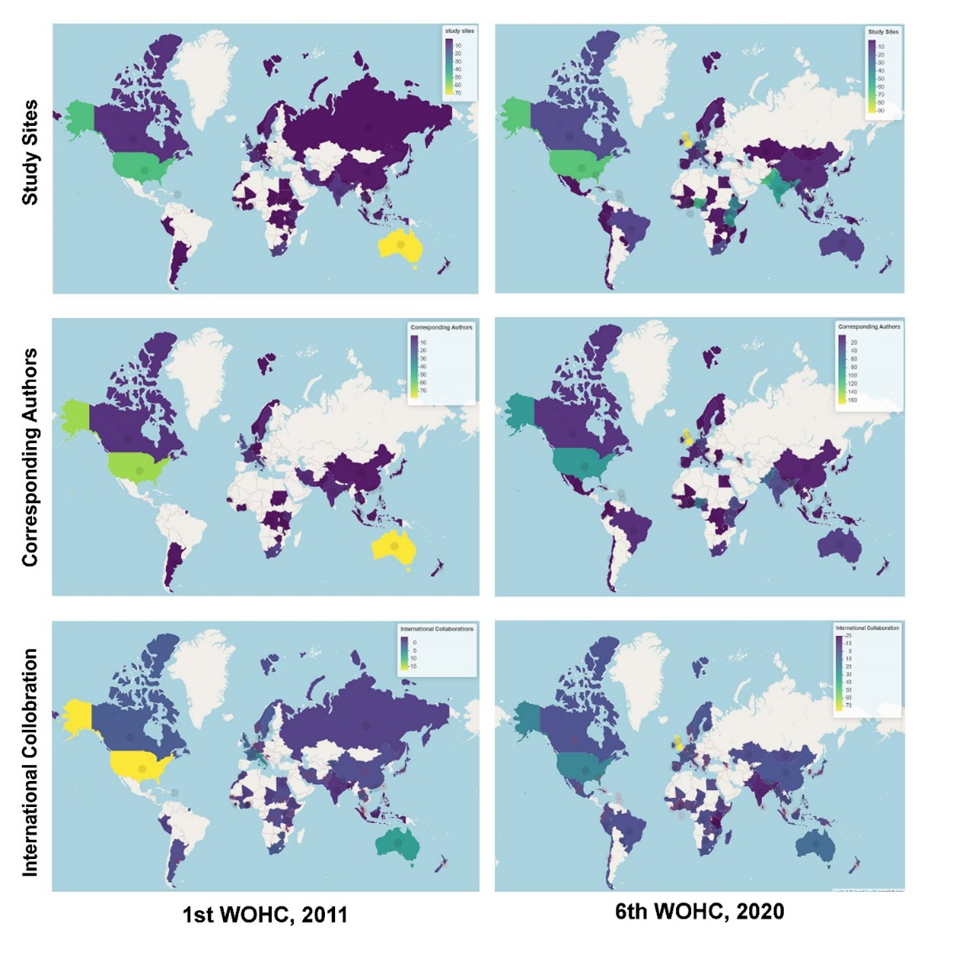
Geographic distribution of One Health research. Comparison of abstract distributions from 1st and 6th World One Health Congress based on study sites, affiliation of corresponding authors, and international collaborations. Contributions to international collaborations were calculated as the difference between the number of studies conducted in the country and the number of corresponding author affiliations from the country. Negative and positive values indicate sink (received collaboration) and source (extended collaboration) of One Health research. Source countries such as US and UK for the 1st and 6th WOHC are indicated by yellowish green color while sink countries such as India and Pakistan for both Conferences are indicated by dark blue color. Check out our interactive web maps here!

Congratulations to Touseef—One Health poster wins award at the World Microbe Forum

We are excited to share that Touseef’s poster entitled “Regional and Intersectional Gaps in One Health Research: Future Directions” has won an Outstanding Student Poster Award at the World Microbe Forum, the world’s leading platform for microbiologists. This award is presented jointly by American Society for Microbiologist (ASM) and Federation of European Microbiologist Societies (FEMS). One of only fourteen winners (out of over three thousand submissions), Touseef will present the poster this week in a special session for award winners.