BatID 2025 was sick!

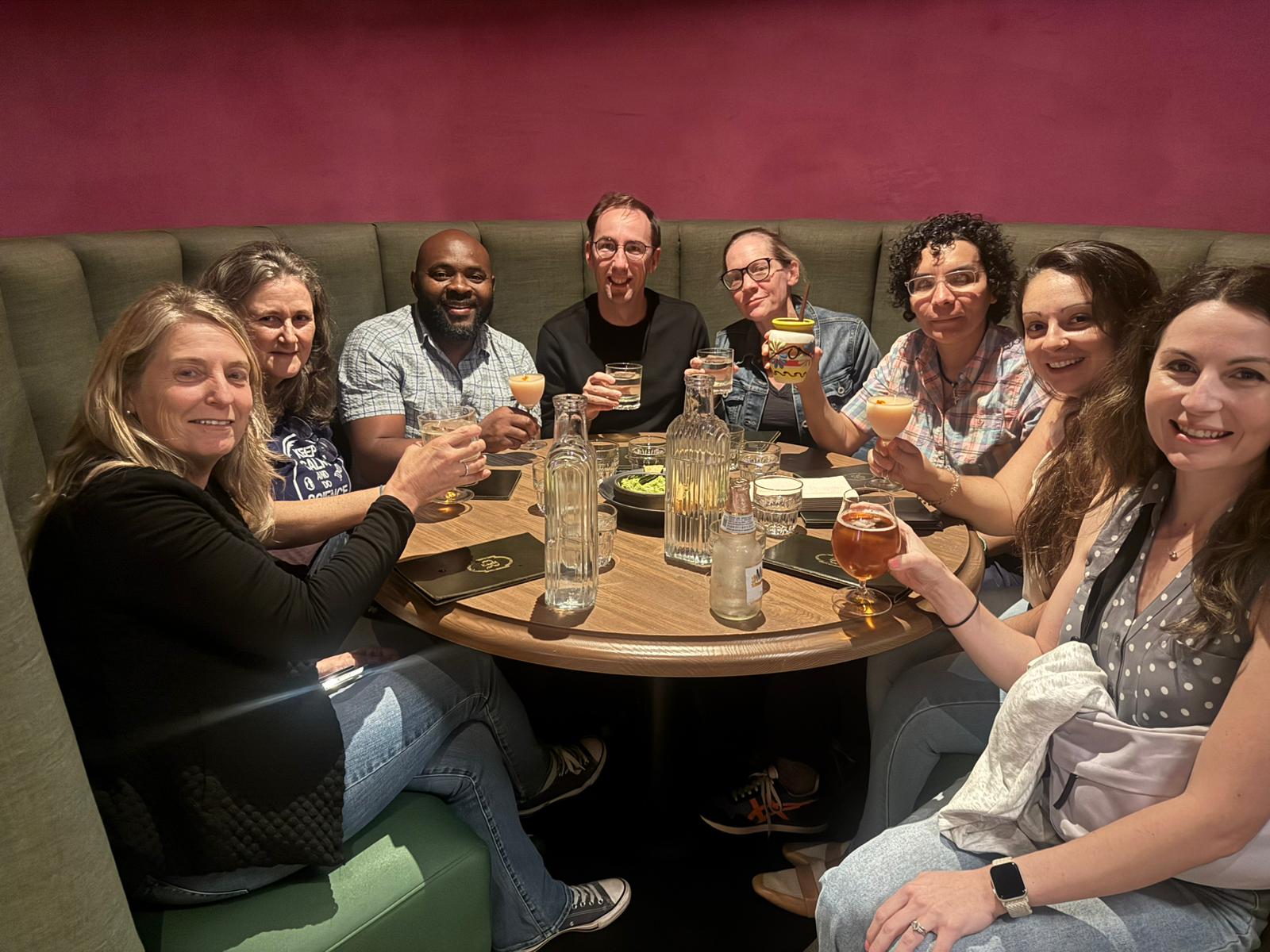
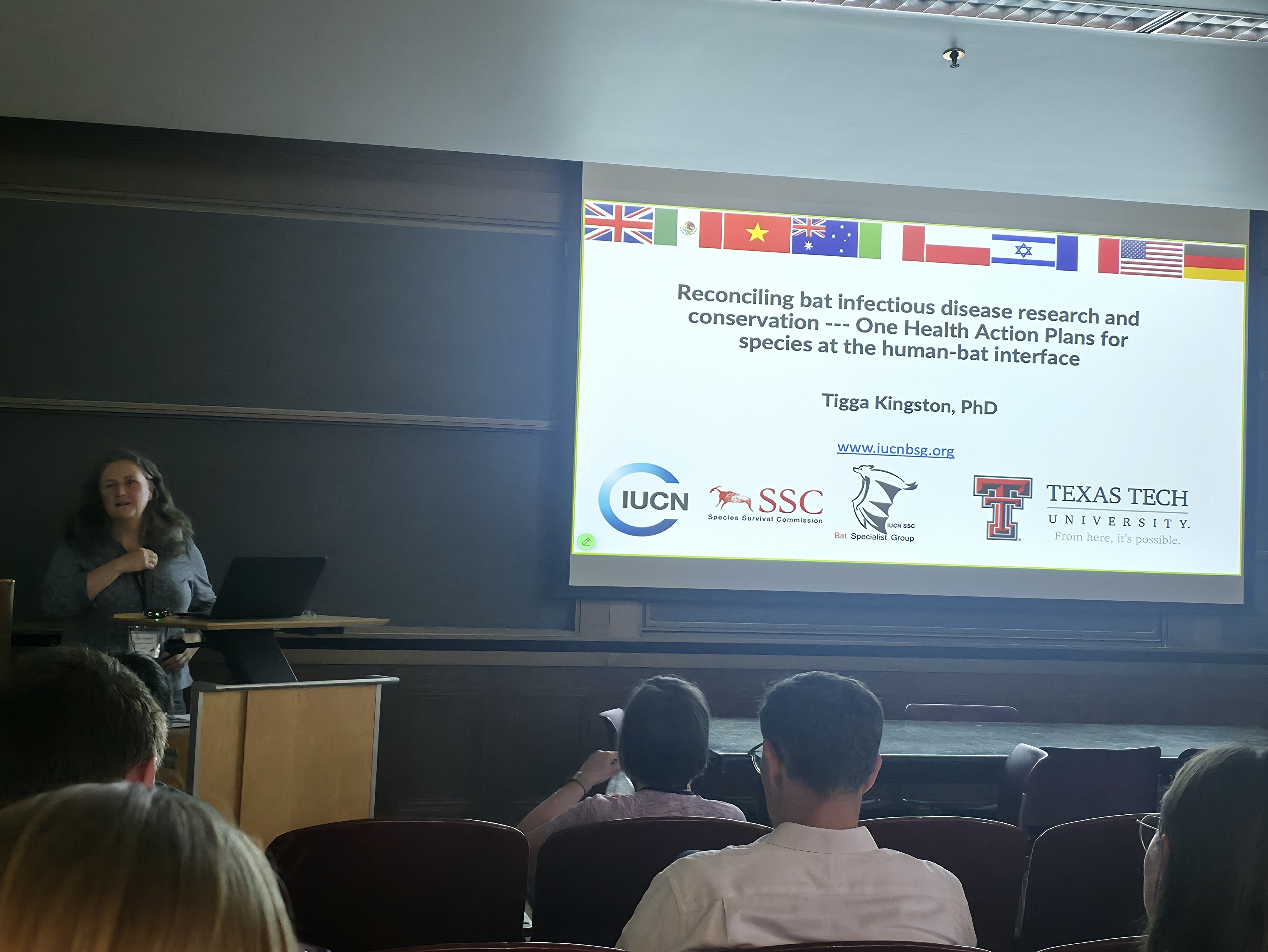
Tigga, Ben, and Abby all traveled to Chicago to present talks at BatID 2025. BatID (AKA The 4th Triennial International Symposium on the Infectious Diseases of Bats) focuses on interdisciplinary research on bats and diseases. Tigga gave a plenary on reconciling disease and conservation research in OneHealth action plans, Ben presented his talk “Targeting taste and leveraging leadership influence: a behavioral approach to reducing bat meat consumption and zoonotic disease risk”, and Abby presented on the reasons bat researchers choose to follow (or not!) IUCN guidelines on the best practices for bat fieldwork. We even had a colaborator meeting where the Nigerian project PIs and postdocs all found themselves squashed into a roost (booth) with Tracey Goldstein.
Helping build the next generation of collaborative international bat researchers!

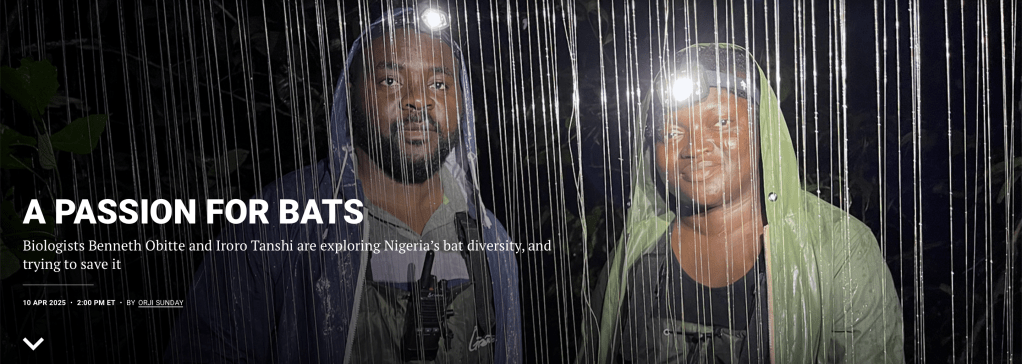
GBatNet’s student and early career scholars from around the world, including Ashraf and Abby, gathered in Tempe, Arizona, for our first-ever in-person student-only workshop on developing multidisciplinary, international research collaborations. Part of PI Tigga Kingston’s broader Global Union of Bat Diversity Networks, these students and recent grads were mentored in grant writing and project development by co-PIs Nancy Simmons and Susan Tsang, and former lab member Iroro Tanshi. Three very full days and a fantastic field trip to catch bats at a Macrotis californicus roost later (thank you Arizona Department of Fish and Game!), everyone walked away having written four collaborative grant proposals.

We look forward to seeing where these projects go!

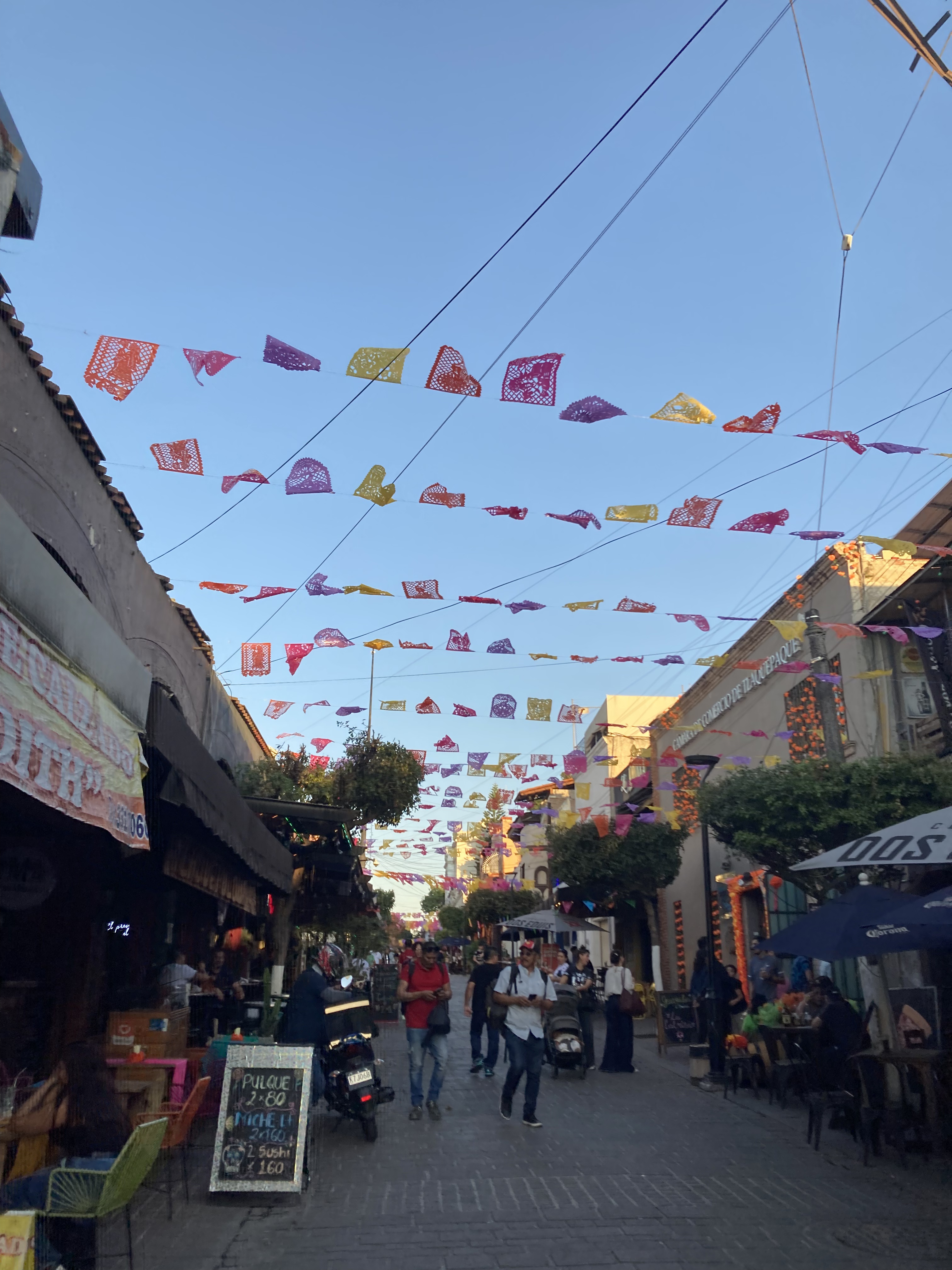
Bats and Taquilla in Guadalajara, NASBR 2024 was a blast!

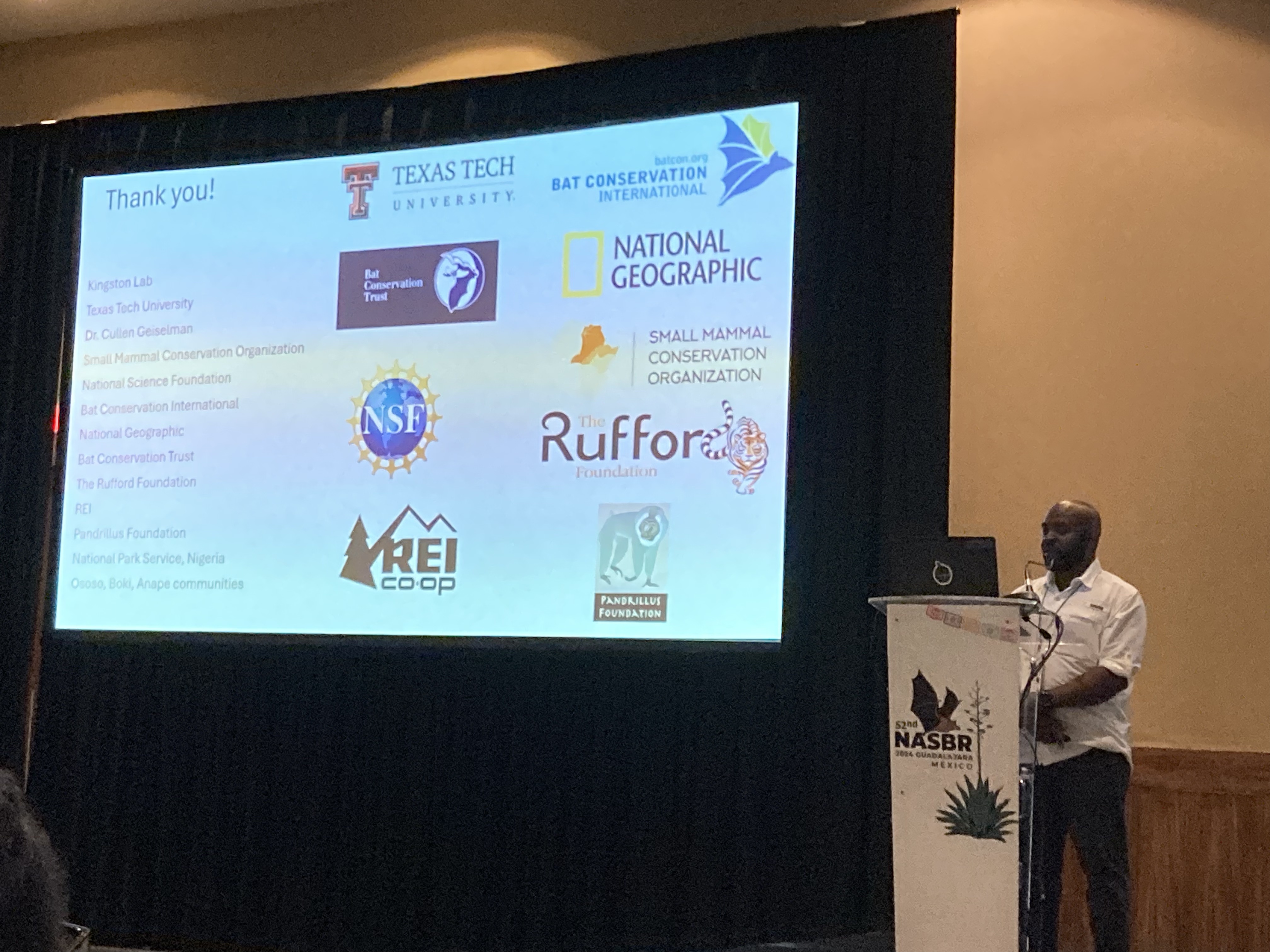
Lots of familiar faces of past and present lab members at NASBR 2024! Despite some technical difficulties, Ben presented his talk “Taste, Influence, and Availability: the Key Factors driving Bat Meat Consumption”. Ben’s talk showed that bat meat consumption is driven by an interplay of multiple socio-cultural factors rather than just economics.  These findings underscore the importance of structuring conservation and public health interventions to more integratively target all drivers of behavior concern. Abby won the Luis F. Bacardi Bat Conservation Award for her talk “Bat Hunting in Sub-Saharan Africa: Mapping the Distribution of a Conservation-Relevant Human Behavior Using Hypothesis-Driven Models”, which was full of stats, bats, and maps (three of her favorite things!). Former lab post doc Maria Sagot encouraged her fellow bat scientists to join EchoMap, a collaborative global effort to increase capacity-building for bat acoustic monitoring resources. Learn more about EchoMap here. And of course, everyone had a great time at the banquet!

Touseef Awarded Travel Grant to Present at the 8th World One Health Congress in South Africa!

AMR is a growing One Health concern, and understanding the role of wildlife, especially species like flying foxes, in spreading resistant bacteria is crucial for the health of humans, animals, and the environment.

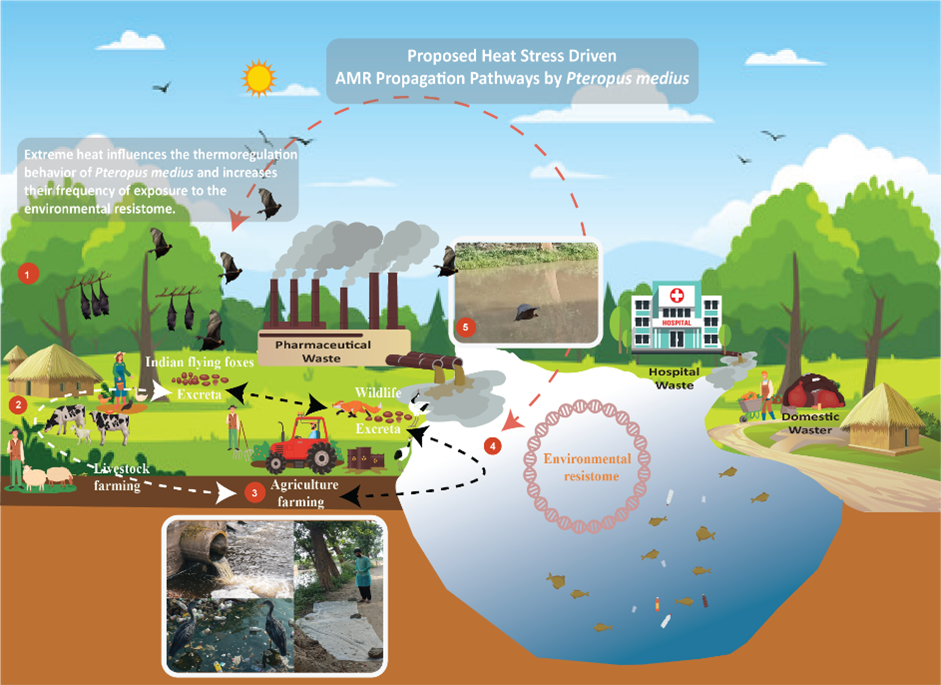
Touseef’s research focuses on an important, yet often overlooked, driver of antimicrobial resistance (AMR) – environmental temperature and relative humidity. These factors indirectly affect wildlife behaviors, which can increase the risk of encountering antimicrobial residues and pathogenic Extended Spectrum β-Lactamase (ESBL) producing E. coli.  

Proposed Environmental Antimicrobial Resistance Propagation Pathways by Pteropus medius

Research Key Highlights:

  • Resistance was found against last resort Reserve class antibiotics such as aztreonam (16%) and imipenem (2%).
  • 46% of isolates showed multi-drug resistance.
  • 37% were ESBL producers, with the blaTEM gene present in over 90% of isolates, particularly in winter samples.
  • Environmental and land use factors like human settlement and water bodies were found to influence the isolation of resistant genes.

This research sheds light on the complex relationship between environmental factors, land use, and AMR propagation via P. medius, emphasizing the need for an integrated One Health approach to combat AMR.

Bat Nerds on the March Again at the Annual Texas Tech Biological Sciences Symposium

Just like in any other lab, it’s a time-honored tradition for Kingston’s lab members to attend the annual TTABSS. This year, four members showcased parts of their PhD dissertation work. Abby snagged the Best Oral Presentation in Ecology award! Hurray!

Abby in action presenting her award-winning talk!

Isham, Ashraf, and Touseef also did their part in keeping this tradition alive, presenting on community ecology in fragmented habitats, species responses to land-use change, and bat responses to heat stress.

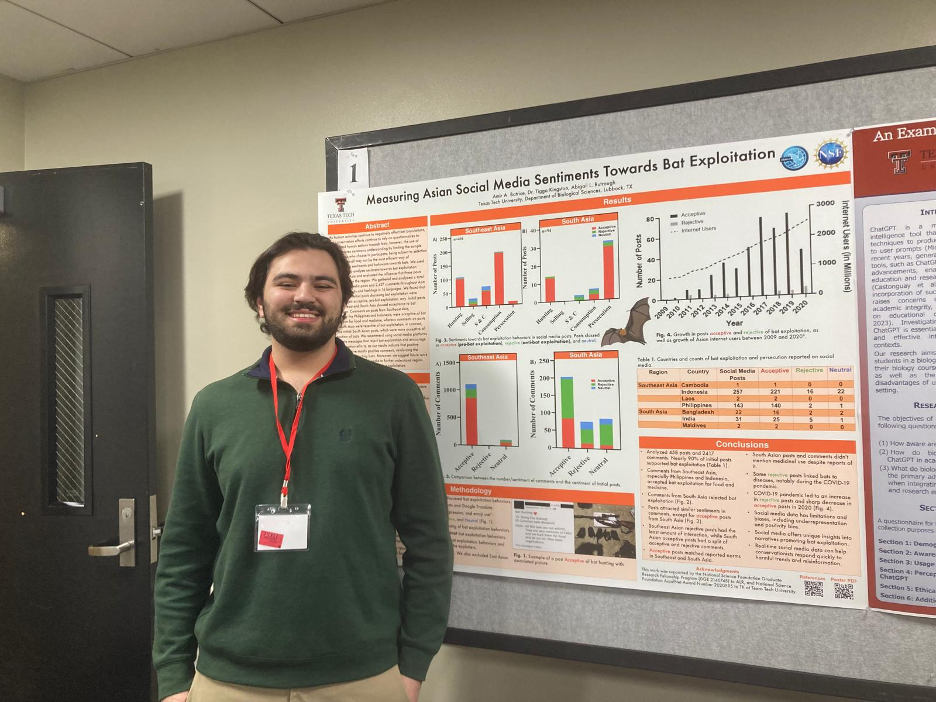
But let’s not forget our recent undergraduate bat scientists who had their chance to shine at TTABSS! This year, we’ve got Amir Batrice stepping up to present his work on “Measuring Asian Social Media Sentiments Towards Bat Exploitation”.

We’re aiming to bring home even more awards for the lab in the future. You BAT that’s right! We’re keeping our eyes peeled for more conferences to hit up!

Lots of Science and Lots of Fun at the IUCN Red List Workshop and 14th African Small Mammal Symposium!

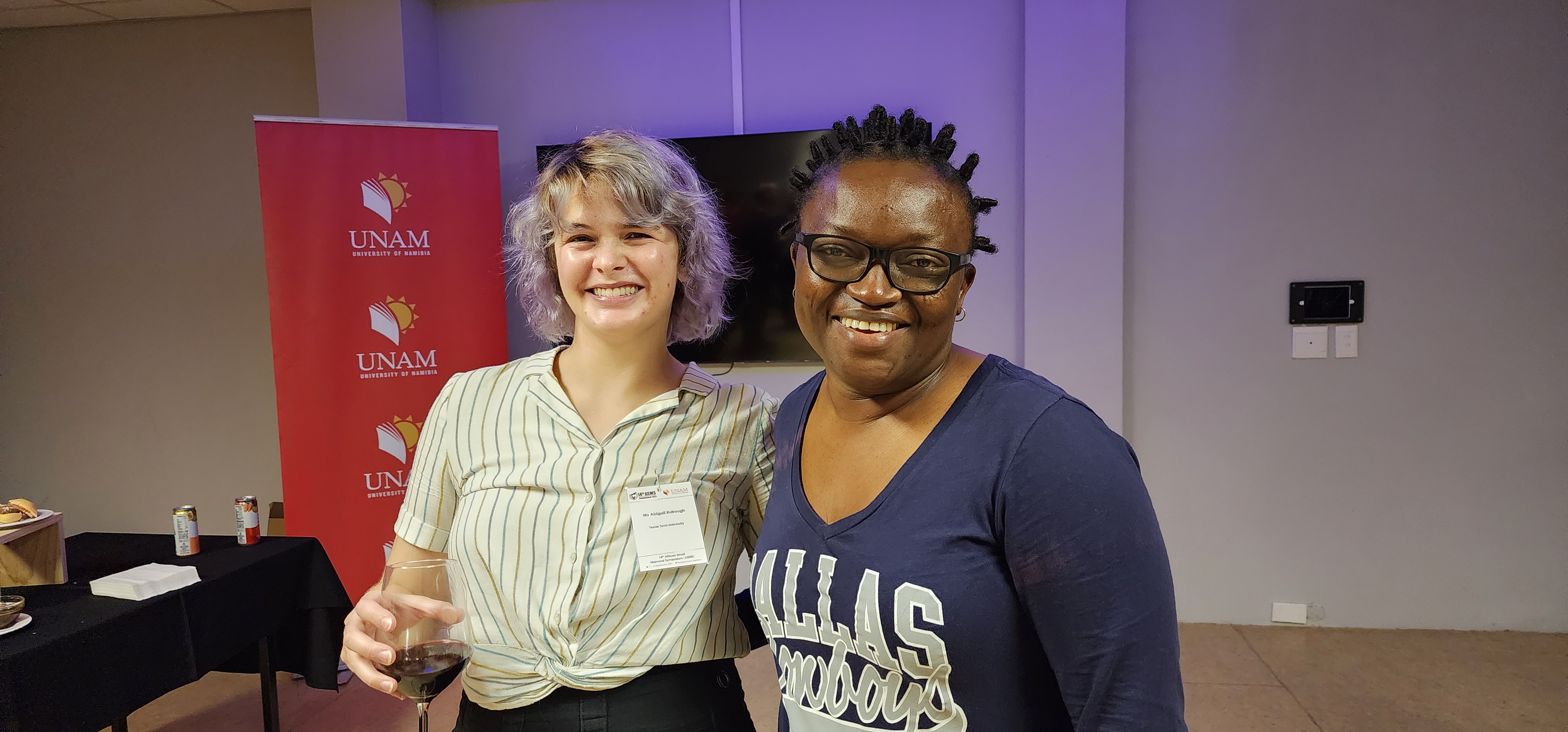
This September Tigga and Abby joined bat researchers from across Africa and around the world at the IUCN African bats Red List workshop and 14th African Small Mammal Symposium in Swakopmund Namibia. While there, Tigga led an evening workshop on grant writing, and Abby, along with fellow GBatNet student representative Cecilia Montauban, led one for students on writing applications.

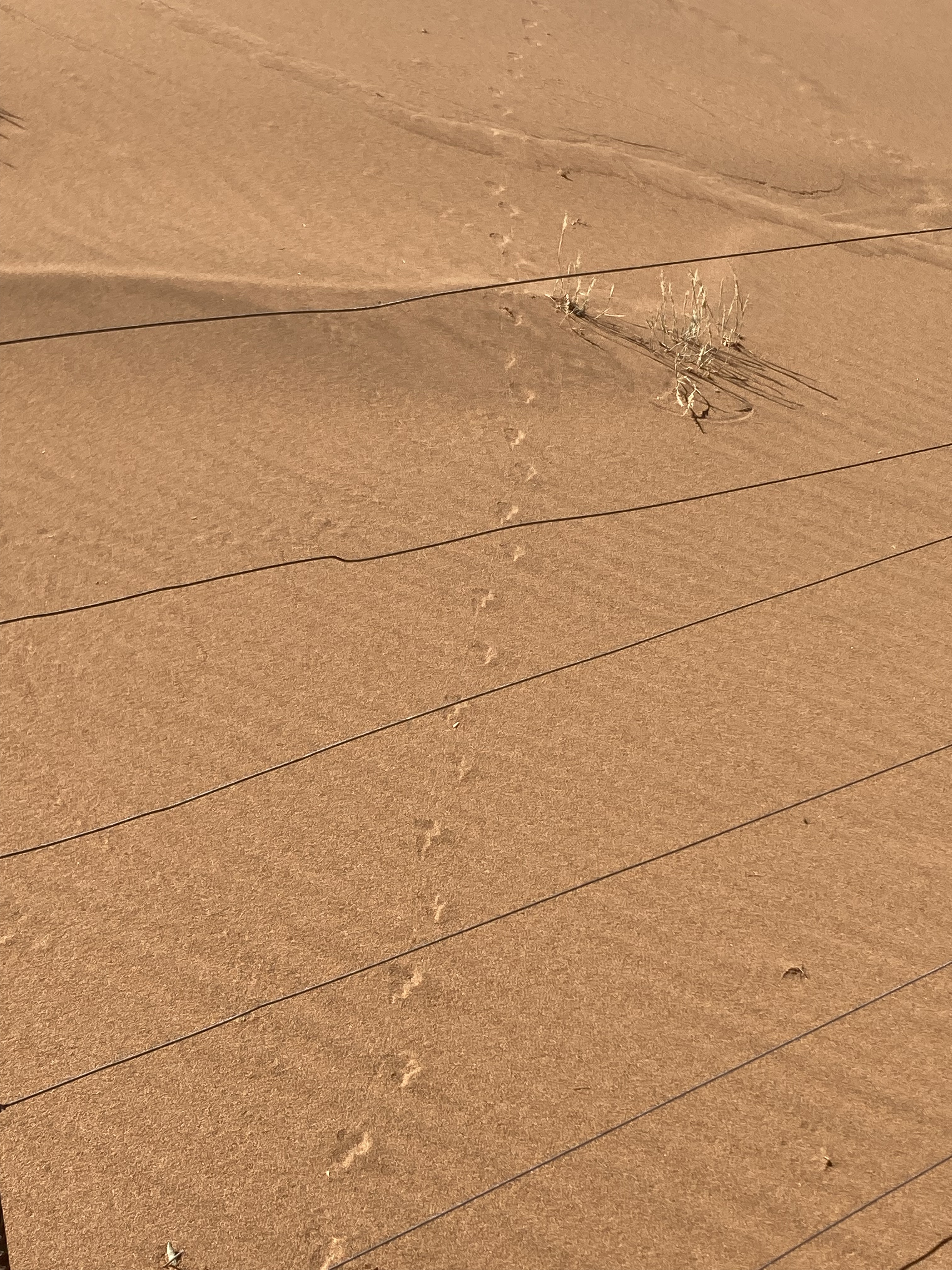
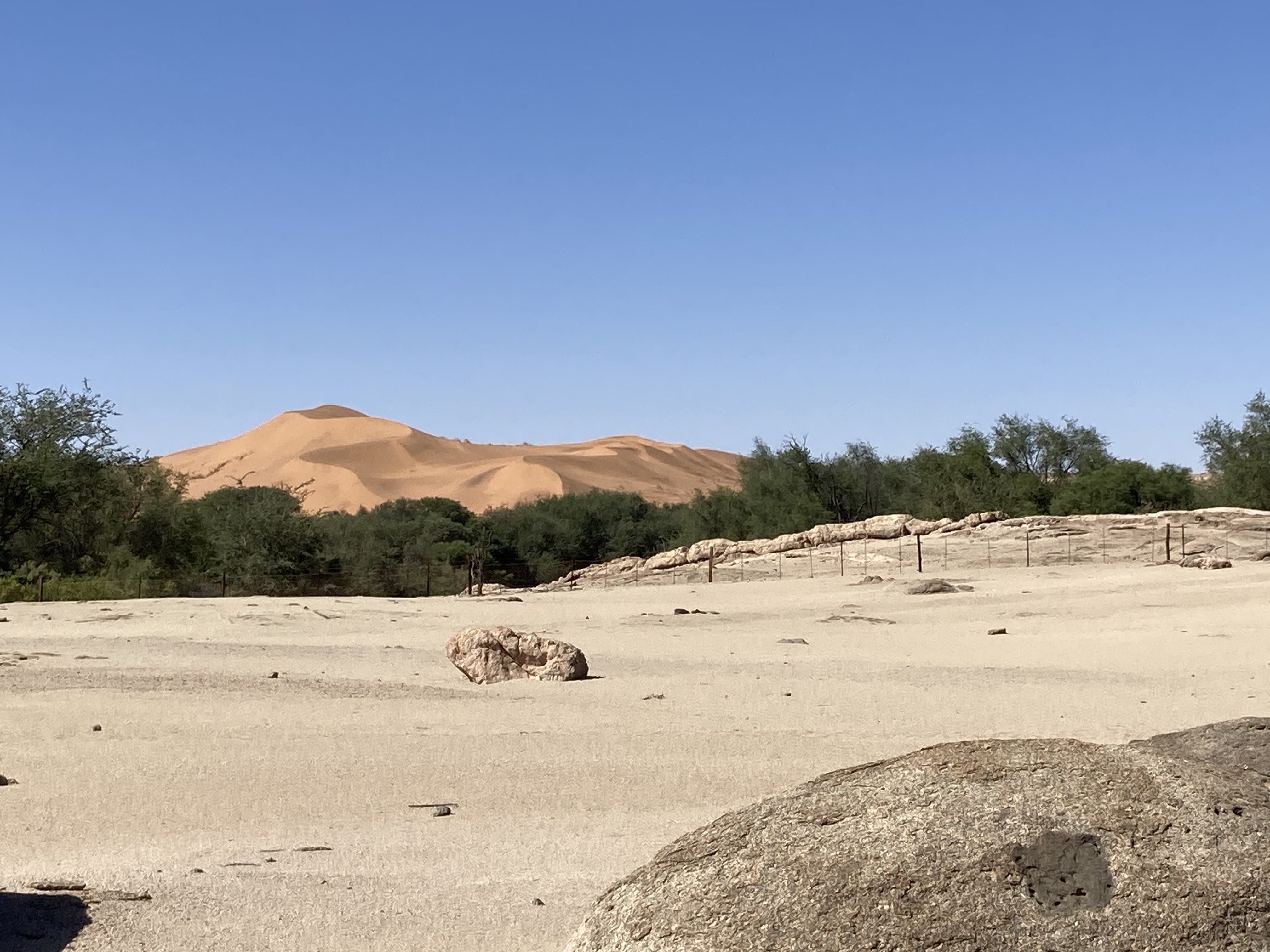
After the Red List workshop, they joined the African Small Mammal Symposium and presented work on modeling bat hunting in Sub-Saharan Africa and GBatNet. A mid-week field trip to the Gobabeb Training and Research Centre yielded some spectacular dunes and desert small mammal sightings!

Tigga made it to the top!

Bats, Trees, and More Bats!—Isham’s Summer Fieldwork

Y’all know the quintessential activity for graduate students in the Kingston Bat Conservation Ecology lab – you guessed it: fieldwork!

One of the bats the team captured last summer. It quickly became a darling to the whole team!

Isham led another field season in the summer of 2023, and it gets better each passing year! The weather favored them, and they had successful nights of bat trappings. The team covered two sites throughout the summer, capturing over 500 bats and surveying approximately 200 vegetation plots. Whew, that’s a lot of plots!

Dr. Kingston standing in front of the grand Mersawa tree.

Things really picked up when Dr. Kingston jumped on board halfway through the summer to gather materials for the Broader Impacts component of the project. She spent countless hours each day capturing some fine videos of the forests, the bats, and all the other critters calling the forest their home.

Here’s one with the team from Malaysia National University (UKM) after we wrapped up processing the final bat for the summer!

At the moment, we’re gearing up to get some of our hard work published! One of our projects, which is part of Isham’s dissertation is to look into processes behind the disassembly of bat assemblages when faced with fragmentation. We’re working hard to get this one published, so y’all best stay tuned for some more bat science straight out of the Kingston lab!