DVM | MPH | PhD

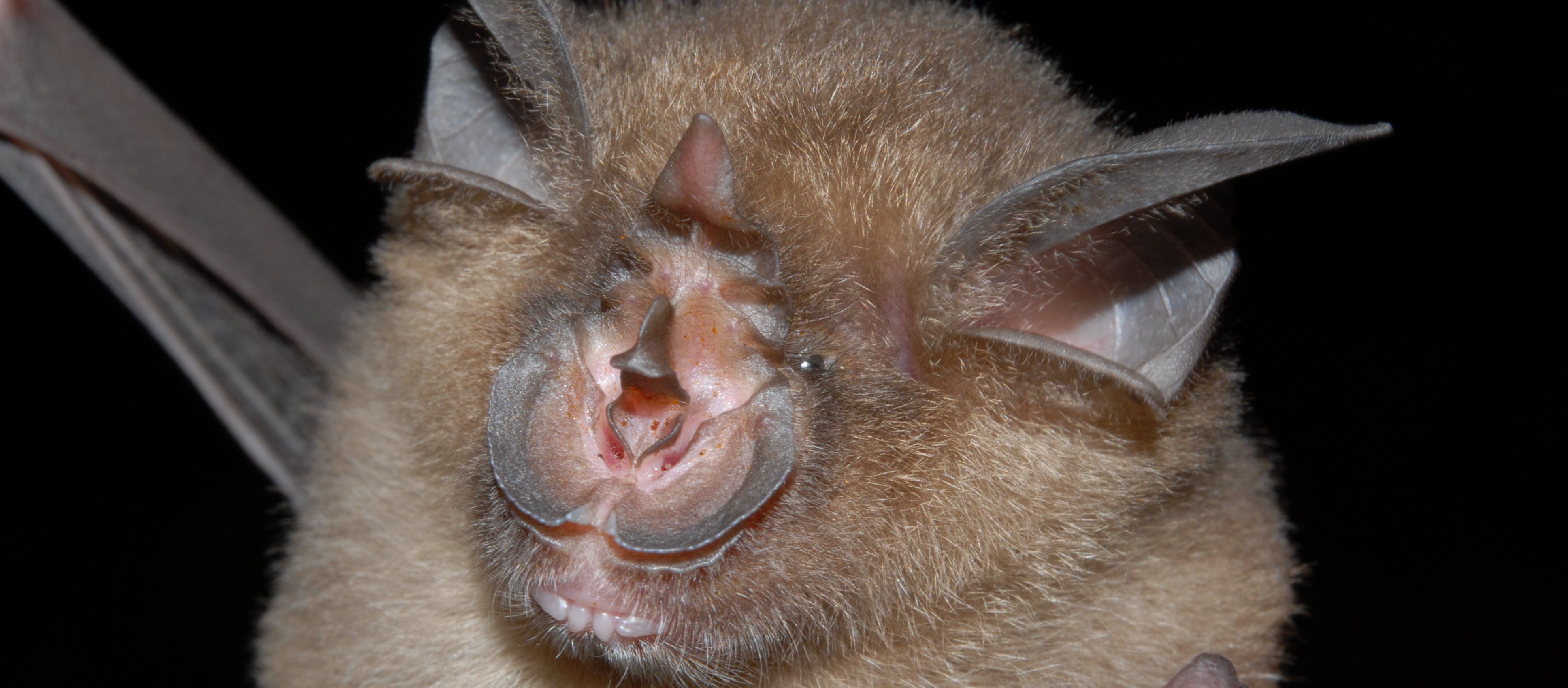
My interest in bat conservation and their link to zoonotic diseases began during my master’s studies. My doctoral research aimed to understand effects of extreme heat on the Indian flying foxes, with a goal to understand how environmental stressors affect landscape immunity and influence the transmission dynamics of zoonotic pathogens. This investigation is pivotal for understanding the “infect–shed–spill–spread” cascade of bat-borne zoonotic pathogens and underscores the importance of maintaining landscape immunity as an essential component of biosecurity measures.
My doctoral dissertation, “Effect of Extreme Heat Event on Indian Flying Foxes and Their Role in AMR Propagation” in Pakistan, involved challenging fieldwork in central and northern region of Pakistan. The study combined multiple approaches, including video scan sampling to observe thermoregulatory behavior, microbiological techniques to identify antimicrobial-resistant (AMR) bacteria, and analysis of fecal cortisol metabolites to assess physiological stress. I also used remote sensing to examine how land use and land cover influence bat vulnerability to extreme heat.
I also investigated the mitochondrial cytochrome b (cytb) gene and Mastadenovirus to assess the genetic connectivity and potential pathogen sharing of P. medius in Pakistan with regional populations respectively. These integrated methods have provided valuable insights into how environmental stress affect bat health and the dynamics of zoonotic diseases.
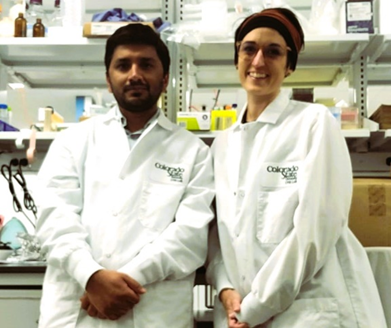
In addition to my doctoral research, I was honored with the Verena Fellowship in Residence at Colorado State University. Under the guidance of Dr. Anna Fagre, I delved into the relationship between heat stress in flying foxes and the presence of adenoviruses. This investigation aims to expand our understanding of how viral diversity is affected by heat stress markers, thereby illuminating the mechanisms of viral spread under conditions of environmental stress.
Beyond my PhD endeavors, I actively engage as a student representative within the Global Bat Diversity Network (GBatNet), where I participate in interdisciplinary projects designed to unravel and comprehend the multifaceted interactions between bats and humans.
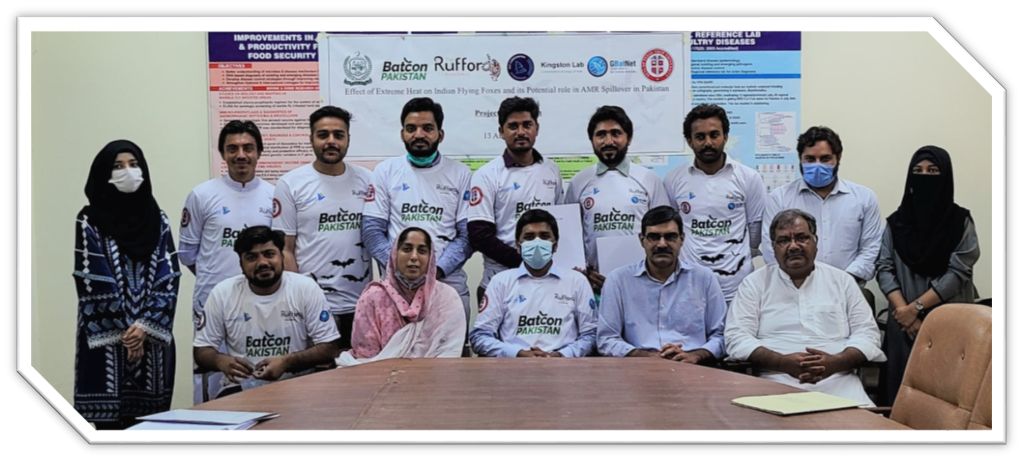
Another significant achievement in my career is the founding of Batcon Pakistan, the nation’s first platform dedicated to bat conservation and zoonosis research. This initiative has been pivotal in enhancing awareness of bats’ vital ecological roles and the consequences of climate change and extreme heat on bat populations.

My exploration into the effects of environmental extremes and land-use changes on the emergence of bat-borne zoonotic diseases reflects not only a professional commitment but also a deep-rooted passion for mitigating the risks associated with zoonotic diseases. My career trajectory underscores the importance of One Health in addressing complex global health challenges.
Google Scholar: https://scholar.google.com/citations?user=TAR2WgMAAAAJ&hl=en
LinkedIn: https://www.linkedin.com/in/touseef-ahmed-57b816140/
ResearchGate: https://www.researchgate.net/profile/Touseef-Ahmed
 Kingston Lab